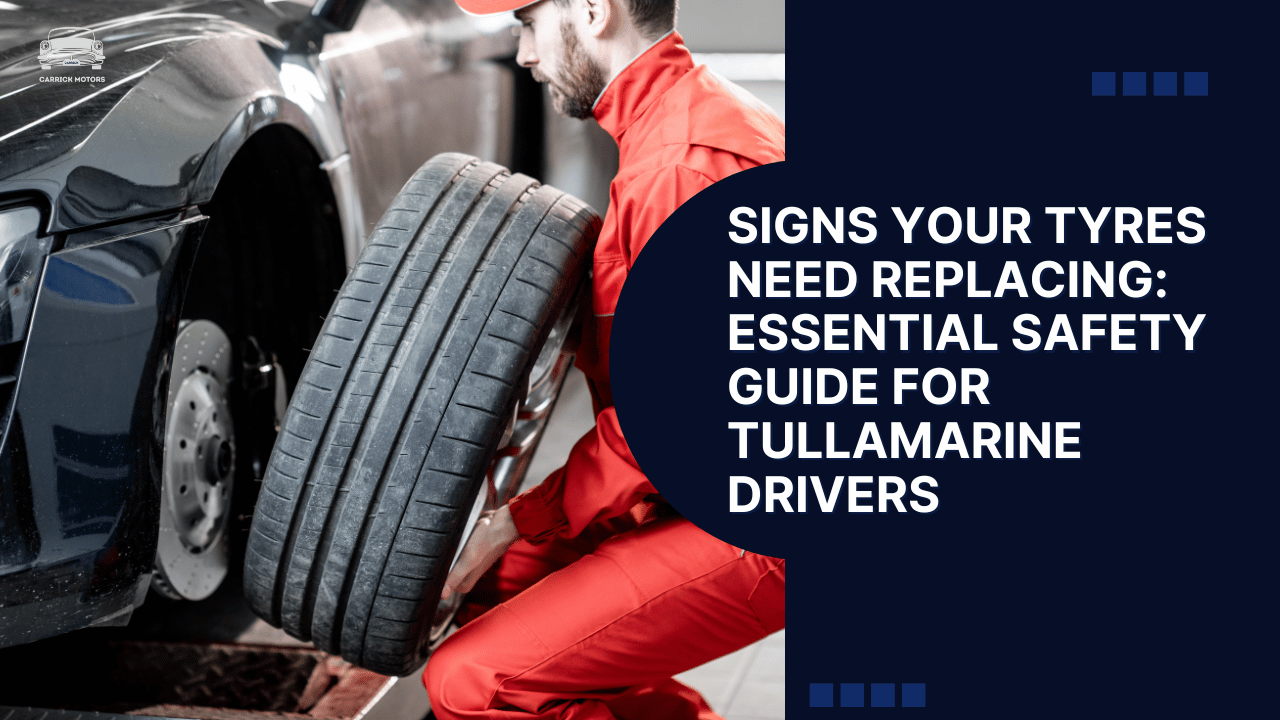
Tyres need replacing when tread depth falls below 1.6mm, sidewalls show cracking or bulging, age exceeds six years regardless of tread condition, or uneven wear patterns indicate alignment or suspension problems. Most tyres last 40,000 to 80,000 kilometres depending on driving conditions, vehicle type, and maintenance practices.
Worn tyres compromise braking distance, wet weather handling, and overall vehicle safety. Tyre failure at highway speeds creates life-threatening situations for vehicle occupants and other road users. This guide explains warning signs indicating replacement necessity, helping Tullamarine drivers maintain safe vehicles and avoid dangerous tyre failures.
Understanding Tyre Wear and Safety
Tyres represent your vehicle’s only contact with the road surface. Tyre condition directly affects braking performance, cornering grip, and wet weather safety. Understanding wear patterns and safety thresholds enables informed replacement decisions.
How Tyres Wear
Tyre tread gradually wears away through friction with road surfaces. Each kilometre driven removes microscopic amounts of rubber compound. This wear rate varies based on driving style, road conditions, vehicle alignment, and tyre quality.
Tread depth reduces progressively from new condition (typically 8mm) toward minimum legal limits (1.6mm). As tread depth decreases, tyre performance characteristics change:
8mm to 4mm: Full performance maintained. Optimal wet and dry grip.
4mm to 3mm: Wet weather performance begins declining noticeably. Braking distances increase.
3mm to 1.6mm: Significantly compromised wet performance. Increased aquaplaning risk. Extended braking distances.
Below 1.6mm: Illegal for road use. Dangerous in all conditions. Immediate replacement required.
Legal Requirements in Victoria
Victorian law requires minimum 1.6mm tread depth across the entire tread width. Tyres failing this requirement render vehicles unroadworthy and attract significant penalties.
Penalties for Worn Tyres: Defect notices requiring immediate repair. Fines exceeding $300 per tyre. Demerit points in some circumstances. Insurance claim complications following accidents.
Beyond legal requirements, safety considerations recommend replacement well before reaching minimum limits. Many safety experts recommend replacement at 3mm for significantly improved wet weather safety.
Seven Warning Signs Your Tyres Need Replacement
Recognising these indicators ensures timely replacement before safety becomes compromised.
Sign 1: Tread Wear Indicators Visible
All tyres manufactured for road use include tread wear indicators (TWI) moulded into tread grooves. These raised bars sit at 1.6mm height, becoming level with surrounding tread when legal minimum is reached.
Checking Wear Indicators: Locate the small triangular markers on tyre sidewalls pointing toward wear indicators in adjacent grooves. Examine the indicated groove sections. If tread surface is level with or below wear indicators, immediate replacement is required.
When Indicators Show: Tread reaching indicator level confirms legal minimum threshold. Continued use is illegal and dangerous. Replace tyres immediately regardless of other condition aspects.
Wear indicators provide definitive assessment requiring no measurement tools. Regular visual checks identify approaching replacement necessity before legal limits are reached.
Sign 2: Insufficient Tread Depth
Measuring tread depth provides precise assessment beyond visual wear indicator evaluation.
Measurement Methods: Tread Depth Gauge: Inexpensive tools providing accurate readings. Insert probe into groove and read measurement.
Coin Test: Insert a 20-cent coin into the tread groove. If the outer band of the coin is visible, tread depth is below 3mm and replacement should be considered.
When to Replace Based on Depth: Below 1.6mm: Immediate replacement required (illegal) 1.6mm to 2mm: Replace very soon 2mm to 3mm: Plan replacement within coming weeks 3mm to 4mm: Monitor closely, especially before wet season Above 4mm: Adequate tread remaining
Measure at multiple points across the tread width and around the circumference. Uneven readings may indicate alignment or suspension issues alongside replacement need.
Sign 3: Visible Sidewall Damage
Sidewall condition affects tyre structural integrity even when tread remains adequate.
Cracking (Weather Checking): Small cracks appearing in sidewall rubber indicate age-related deterioration. UV exposure, ozone, and temperature cycling cause rubber compound breakdown. Extensive cracking suggests internal structural degradation regardless of tread condition.
Bulges and Blisters: Raised areas on sidewalls indicate internal structural damage, typically from impact with potholes, kerbs, or debris. Internal cords have separated, creating weak points prone to sudden failure. Bulging tyres require immediate replacement regardless of other condition aspects.
Cuts and Gouges: Deep cuts exposing internal cords compromise structural integrity. Shallow surface cuts may not require replacement but warrant monitoring. Professional assessment determines severity and replacement necessity.
Sidewall damage cannot be repaired. Affected tyres require replacement regardless of remaining tread depth.
Sign 4: Age-Related Deterioration
Tyres deteriorate with age regardless of use or apparent condition. Rubber compounds degrade through oxidation and environmental exposure even when vehicles sit unused.
Age Determination: Tyres display manufacture date codes on sidewalls. The DOT code includes a four-digit number indicating production week and year. For example, “2519” indicates the 25th week of 2019.
Age Replacement Guidelines: Five years: Inspect carefully and monitor closely. Six years: Consider replacement regardless of tread condition. Ten years: Replace immediately regardless of appearance.
Tyres on infrequently driven vehicles may show adequate tread while suffering significant age deterioration. Inspect aged tyres for cracking, hardening, and brittleness indicating compound breakdown.
Sign 5: Uneven Wear Patterns
Uneven tread wear indicates problems beyond simple replacement need. Patterns suggest underlying issues requiring attention alongside tyre replacement.
Centre Wear: Excessive wear in tread centre with adequate shoulder tread indicates chronic overinflation. Reduced contact patch concentrates wear centrally.
Edge Wear: Wear concentrated on both shoulders with adequate centre tread indicates chronic underinflation. Insufficient pressure causes edges to carry disproportionate load.
One-Sided Wear: Wear on inner or outer edge only indicates wheel alignment problems. Camber angle deviation causes unilateral wear patterns.
Feathering: Sawtooth pattern felt when running hand across tread indicates toe alignment problems. Each tread block wears at an angle creating stepped edges.
Cupping/Scalloping: Dished wear patterns around circumference indicate suspension problems. Worn shock absorbers or unbalanced wheels create bouncing that produces cupped wear.
Address underlying causes before installing new tyres. New tyres installed on misaligned or suspension-compromised vehicles will develop identical wear patterns prematurely.
Carrick Motors provides wheel alignment and suspension inspection services identifying causes of uneven wear patterns.
Sign 6: Vibration or Handling Changes
Tyre problems often manifest through changed vehicle behaviour before visual signs appear.
Vibration Through Steering Wheel: Vibration at specific speeds may indicate tyre balance problems, separated belts, or out-of-round tyres. Vibration worsening progressively suggests developing tyre damage.
Vehicle Pulling: Vehicle pulling consistently to one side may indicate uneven tyre wear, different tyre pressures, or alignment problems. Sudden onset suggests tyre damage rather than gradual wear.
Reduced Grip: Noticeably reduced traction during cornering or braking indicates worn tread or hardened rubber compound. Aged tyres lose grip even with adequate tread depth.
Increased Road Noise: Changing tyre noise patterns may indicate irregular wear, damaged tread blocks, or developing belt separation.
Investigate handling changes promptly. Symptoms may indicate dangerous conditions requiring immediate attention.
Sign 7: Puncture or Impact Damage
Punctures and impact damage may require replacement rather than repair depending on location and severity.
Repairable Damage: Small punctures (under 6mm) in the central tread area can often be repaired safely. Repairs must follow Australian standards using proper internal patches.
Non-Repairable Damage: Sidewall punctures cannot be repaired safely. Damage within 25mm of sidewall edges prohibits repair. Large punctures exceeding 6mm diameter require replacement. Multiple previous repairs may preclude further repair.
Impact Damage Assessment: Impact with potholes, debris, or kerbs may cause internal damage invisible externally. Professional inspection determines whether impact-damaged tyres remain safe for continued use.
When uncertain about damage repairability, professional assessment ensures safe decisions. Attempting repair on non-repairable damage creates failure risk.
Tyre Replacement Cost in Tullamarine
Understanding pricing helps budget appropriately for tyre replacement.
Price Ranges by Tyre Category
Budget Tyres: $70 to $120 per tyre Entry-level tyres from lesser-known brands. Adequate safety performance with shorter tread life. Suitable for low-mileage vehicles or short-term ownership.
Mid-Range Tyres: $120 to $200 per tyre Quality tyres from established brands like Kumho, Hankook, and Toyo. Good balance of performance, longevity, and value. Suitable for most drivers.
Premium Tyres: $180 to $350 per tyre Top-tier tyres from brands like Michelin, Bridgestone, Continental, and Pirelli. Superior wet and dry performance, lower noise, and extended tread life. Best long-term value for high-mileage drivers.
Performance Tyres: $250 to $500+ per tyre High-performance tyres for sports vehicles and enthusiast applications. Maximum grip prioritised over tread life.
Additional Service Costs
Fitting and Balancing: $20 to $40 per tyre Wheel Alignment: $80 to $150 (recommended with new tyres) Valve Replacement: $5 to $15 per valve Old Tyre Disposal: $5 to $10 per tyre
Total Replacement Cost Examples
Small Car (185/65R15): Budget: $400 to $560 for four tyres fitted Mid-range: $560 to $880 for four tyres fitted
Medium Car (205/55R16): Budget: $480 to $640 for four tyres fitted Mid-range: $640 to $1,040 for four tyres fitted
SUV (225/65R17): Budget: $560 to $800 for four tyres fitted Mid-range: $800 to $1,200 for four tyres fitted
Extending Tyre Life
Proper maintenance maximises tyre service life and ensures optimal safety throughout use.
Maintain Correct Pressure
Incorrect tyre pressure accelerates wear and compromises safety.
Underinflation Effects: Increased edge wear. Higher fuel consumption. Elevated operating temperatures. Reduced handling response. Increased stopping distances.
Overinflation Effects: Increased centre wear. Harsh ride quality. Reduced contact patch. Decreased grip, particularly in wet conditions.
Check pressures monthly using an accurate gauge. Adjust to manufacturer specifications found on the door jamb placard. Check when tyres are cold for accurate readings.
Regular Rotation
Tyre rotation equalises wear across all four positions, maximising overall set life.
Rotation Frequency: Every 10,000 kilometres or with each service.
Rotation Patterns: Front-wheel-drive vehicles typically rotate front tyres to rear and vice versa, crossing sides for non-directional tyres.
Rotation extends set life by 20% to 30% compared to non-rotated tyres wearing unevenly.
Wheel Alignment Maintenance
Proper alignment prevents uneven wear patterns that prematurely consume tread.
Alignment Frequency: Check annually or when uneven wear patterns appear.
Alignment Indicators: Vehicle pulling, uneven wear, steering wheel off-centre when driving straight.
Alignment correction costs $80 to $150 but prevents premature tyre replacement costing hundreds more.
Driving Habit Adjustments
Driving style significantly affects tyre longevity.
Acceleration: Gentle acceleration reduces wheelspin and tread scrubbing.
Braking: Smooth, progressive braking minimises flat-spotting and tread wear.
Cornering: Moderate cornering speeds reduce lateral scrubbing forces.
Speed: Higher speeds increase heat generation and wear rates.
When to Replace Two vs Four Tyres
Replacement strategy affects safety, handling, and cost-effectiveness.
Replacing All Four Tyres
Recommended When: All tyres show similar wear levels. Vehicle has all-wheel drive (AWD) requiring matched circumferences. Complete set age exceeds six years regardless of individual tread condition.
Benefits: Balanced handling characteristics. Simplified rotation schedule. Consistent grip at all corners.
Replacing Two Tyres
Acceptable When: Only two tyres require replacement. Budget constraints limit immediate full replacement. Remaining tyres have substantial tread remaining.
Installation Position: New tyres should always be fitted to the rear axle regardless of drive type. Fresh rear tyres provide stability during emergency manoeuvres, reducing oversteer risk in wet conditions.
Considerations: Mismatched tread depths affect handling balance. Front-rear grip differences create predictability changes. Plan replacement of remaining tyres within reasonable timeframe.
AWD Vehicle Requirements
All-wheel-drive vehicles require closely matched tyre circumferences across all four wheels.
Circumference Mismatch Effects: Drivetrain stress from constantly fighting different wheel speeds. Differential wear and potential damage. Transfer case strain. Traction control system interference.
AWD Replacement Guidelines: Replace all four tyres together when possible. If replacing two, select tyres matching remaining tyres closely. Some manufacturers specify maximum circumference variation (typically 2% to 3%).
Frequently Asked Questions About Tyre Replacement
How long do tyres last in kilometres?
Tyres typically last 40,000 to 80,000 kilometres depending on tyre quality, driving conditions, vehicle type, and maintenance practices. Front tyres on front-wheel-drive vehicles may wear faster than rears. Aggressive driving, heavy loads, and poor alignment accelerate wear. Premium tyres generally outlast budget alternatives significantly.
Can I replace just one tyre?
Single tyre replacement is acceptable only when replacing due to unrepairable damage with three remaining tyres in good condition. The replacement should match the remaining tyres in brand, model, and size. Significant tread depth differences between the new tyre and others affect handling. Pair replacement (two tyres) provides better handling balance than single replacement.
Do tyres have a use-by date?
Yes, tyres deteriorate with age regardless of use. Rubber compounds degrade through oxidation and environmental exposure. Most manufacturers recommend replacement after six years from manufacture date regardless of tread condition. Tyres should never be used beyond ten years old. Check the DOT date code on sidewalls to determine manufacture date.
Should I replace tyres before a roadworthy inspection?
If tyres show wear indicators level with tread surface or have any sidewall damage, replacement before roadworthy inspection is necessary. Tyres marginally above legal minimum may pass inspection but should be replaced soon for safety. Addressing obvious tyre deficiencies before inspection avoids failed assessment and re-inspection fees.
What causes tyres to wear on one side only?
One-sided tyre wear indicates wheel alignment problems, specifically excessive camber angle. The wheel tilts, placing disproportionate load on inner or outer tread edges. Other causes include bent suspension components, worn bushings, or spring sag. Address alignment issues before installing new tyres to prevent identical wear patterns recurring.
Are expensive tyres worth the extra cost?
Premium tyres typically justify higher prices through significantly longer tread life, better wet weather performance, lower road noise, and improved fuel efficiency. Calculated per-kilometre cost often favours premium tyres despite higher purchase prices. Drivers covering high annual distances benefit most from premium tyre investments. Budget tyres suit low-mileage applications where longevity matters less.
How do I know what size tyres my car needs?
Tyre size specifications appear on the placard inside the driver’s door jamb and in your owner’s manual. The size code (e.g., 205/55R16) indicates width, aspect ratio, construction type, and rim diameter. Always replace with tyres matching original specifications unless professionally upgrading. Incorrect sizes affect speedometer accuracy, handling, and may contact bodywork.
Professional Tyre Services at Carrick Motors
Worn tyres compromise vehicle safety through extended braking distances, reduced wet weather grip, and increased failure risk. Warning signs including tread wear indicators, insufficient depth, sidewall damage, age deterioration, uneven wear, handling changes, and unrepairable damage all indicate replacement necessity.
Carrick Motors provides comprehensive tyre services throughout Tullamarine, Airport West, Gladstone Park, and Tullamarine’s northern suburbs. Services include tyre supply and fitting, wheel balancing, wheel alignment, and tyre inspection. Experienced technicians help select appropriate tyres for your vehicle and driving requirements. Contact Carrick Motors to schedule tyre inspection or replacement. Maintain safe tyres through professional assessment and quality replacement when warning signs indicate service necessity.