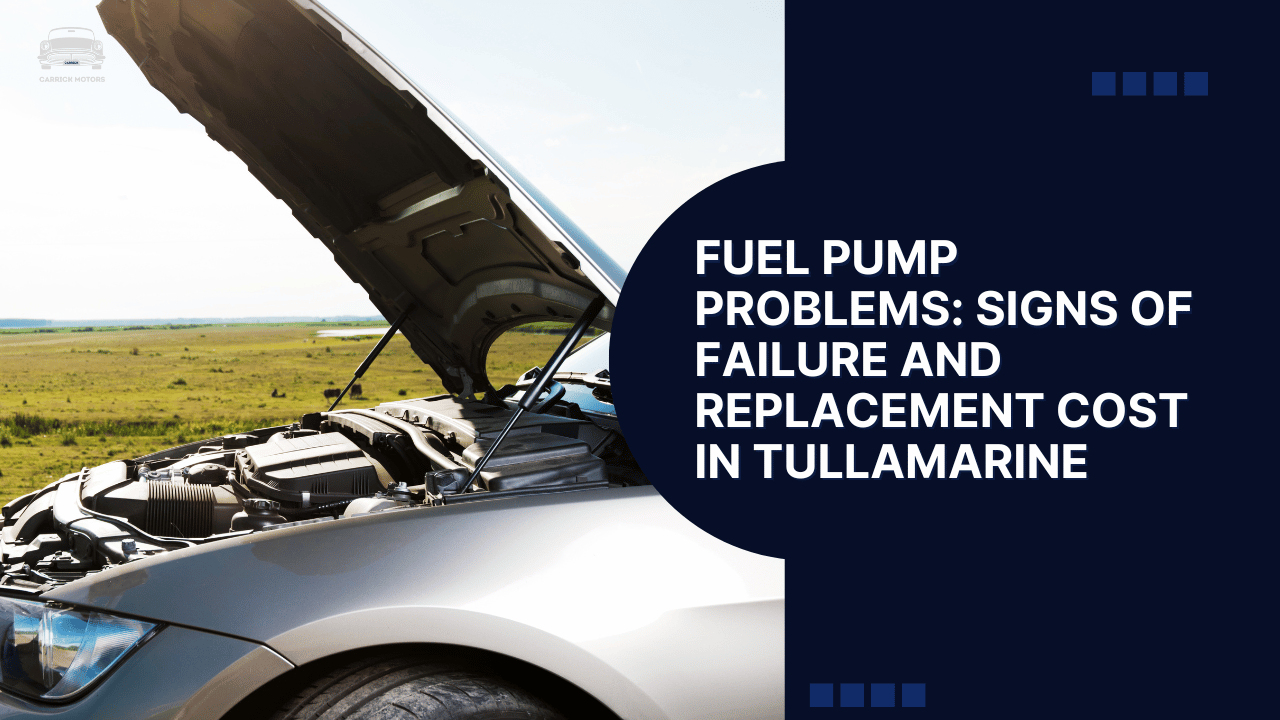
Fuel pump replacement in Tullamarine costs between $400 and $1,000 for most vehicles, with European and luxury vehicles reaching $700-1,500. Fuel pumps typically last 150,000-250,000 kilometres, though contaminated fuel and running on empty can cause premature failure. A failing fuel pump causes starting problems, stalling, and eventually leaves you stranded.
The fuel pump delivers fuel from the tank to the engine at precise pressure. Modern fuel-injected vehicles require consistent fuel pressure for proper operation, when the pump fails, the engine cannot run. This guide explains fuel pump function, warning signs, and replacement costs for Tullamarine drivers.
How Your Fuel Pump Works
Understanding fuel pump function helps identify problems.
Fuel Pump Types
Electric In-Tank Pump: Located inside fuel tank. Most common in modern vehicles. Submerged in fuel for cooling. Runs whenever engine is running.
Mechanical Fuel Pump: Mounted on engine, driven by camshaft. Found on older carburetted vehicles. Less common today.
Fuel System Components
Fuel Pump: Draws fuel from tank. Pressurises fuel for delivery. Electric motor drives impeller or gear.
Fuel Filter: Removes contaminants before fuel reaches engine. May be separate or integrated with pump. Critical for pump protection.
Fuel Pressure Regulator: Maintains consistent fuel pressure. Returns excess fuel to tank. Ensures proper injector operation.
Fuel Lines: Transport fuel from tank to engine. Must handle system pressure. Include supply and return lines.
Operation
Key On: Fuel pump primes for 2-3 seconds (you may hear it). Builds system pressure before starting.
Engine Running: Pump runs continuously. Maintains fuel pressure. Computer may vary speed based on demand.
Pressure Requirements: Fuel injection systems require 40-60 psi typically. Consistent pressure essential for proper fuel delivery.
Signs Your Fuel Pump Is Failing
Recognising symptoms enables repair before complete failure.
Engine Won’t Start
What Happens: Engine cranks but won’t start. No fuel reaching engine. Starter sounds normal.
Fuel Pump Related: Listen for pump priming when key turns to “on” position. No sound may indicate pump failure.
Other Causes: Many issues cause no-start condition. Professional diagnosis identifies actual cause.
Difficulty Starting
What You’ll Notice: Extended cranking before starting. Worse when fuel is low. May start then immediately stall.
Cause: Weak pump struggling to build pressure. Pump may work sometimes but not consistently.
Progression: Intermittent starting problems often precede complete failure.
Engine Stalling
What Happens: Engine suddenly dies while driving. May restart after waiting. Occurs randomly or at certain conditions.
When It Occurs: At high temperatures (pump overheating). Under load (climbing hills, accelerating). At low fuel levels.
Danger: Stalling while driving creates safety hazard. Loss of power steering and brake assist.
Loss of Power Under Load
What You’ll Notice: Engine hesitates during acceleration. Power drops when climbing hills. Vehicle struggles to maintain highway speed.
Cause: Pump cannot deliver sufficient fuel under high demand. Fuel pressure drops when engine needs more fuel.
Symptoms: May feel like engine is “starving.” Hesitation or surging during acceleration.
Engine Surging
What Happens: Engine speed fluctuates without throttle change. Feels like someone pressing and releasing accelerator. Inconsistent power delivery.
Cause: Erratic fuel pressure from failing pump. Pump delivers fuel inconsistently.
Whining Noise from Fuel Tank
What You’ll Hear: High-pitched whining from rear of vehicle. Noise changes with engine load. Louder than normal pump operation.
Cause: Worn pump motor or bearings. Pump working harder than normal. Contamination causing strain.
Note: Some pump noise is normal. Excessive or new noise indicates problem.
Poor Fuel Economy
What You’ll Notice: Decreased kilometres per tank. No change in driving habits. Other symptoms may accompany.
Cause: Failing pump may allow incorrect fuel pressure. Engine runs inefficiently. Excess fuel may be delivered.
Check Engine Light
What It Means: Various fuel system codes may illuminate light. Fuel pressure related codes. Lean condition codes from insufficient fuel.
Common Codes: P0087: Fuel rail pressure too low P0230: Fuel pump circuit malfunction Lean codes (P0171, P0174) from fuel delivery issues
What Causes Fuel Pump Failure
Understanding causes helps prevention.
Running on Empty
Why It’s Harmful: Fuel cools the pump motor. Low fuel exposes pump to air. Pump overheats without fuel cooling.
Prevention: Keep tank above quarter full. Avoid running until warning light.
Contaminated Fuel
Sources: Water in fuel (condensation, contaminated station). Dirt and debris. Rust from older tanks.
Effect: Contaminants damage pump internals. Clog fuel filter. Accelerate wear.
Prevention: Buy from reputable stations. Keep tank full to reduce condensation.
Clogged Fuel Filter
Problem: Blocked filter makes pump work harder. Increased strain causes premature failure.
Prevention: Replace fuel filter at recommended intervals. Critical for pump protection.
Electrical Issues
Causes: Corroded connections. Damaged wiring. Faulty relay.
Effect: Pump receives insufficient power. Intermittent operation.
Normal Wear
Lifespan: Electric motors eventually fail. Bearings wear out. Expected at high mileage.
Typical Life: 150,000-250,000 km under normal conditions. Less with poor fuel habits.
Fuel Pump Replacement Cost in Tullamarine
Understanding costs helps budget appropriately.
By Vehicle Type
Small Cars (Yaris, Mazda 2, i20): Fuel pump: $250-400 Labour: $200-350 Total: $450-750
Medium Cars (Corolla, Mazda 3, i30): Fuel pump: $300-500 Labour: $250-400 Total: $550-900
Large Cars (Camry, Mazda 6): Fuel pump: $350-550 Labour: $250-400 Total: $600-950
SUVs (RAV4, CX-5, Tucson): Fuel pump: $350-600 Labour: $250-450 Total: $600-1,050
European Vehicles: Fuel pump: $450-900 Labour: $300-500 Total: $750-1,400
What Affects Cost
Pump Location: In-tank pumps require dropping fuel tank. More labour than external pumps.
Integrated Assemblies: Many vehicles have pump/filter/sender as one unit. Must replace entire assembly.
Fuel Level: Full tank must be dealt with during replacement. Some fuel may need draining.
Additional Items
Fuel Filter: $50-150 (if separate) Fuel Strainer: Often included with pump Tank Seal/Gasket: $20-50 Fuel Lines: $100-300 if damaged
Fuel Pump Testing
Professional diagnosis confirms pump failure.
Pressure Testing
Method: Connect fuel pressure gauge to system. Compare reading to specification. Check pressure under load.
Results: Low pressure indicates weak pump. Pressure drop under load suggests failing pump.
Electrical Testing
Checks: Power reaching pump. Current draw measurement. Relay operation.
Findings: No power indicates electrical issue, not pump. Excessive current suggests failing pump motor.
Flow Testing
Method: Measure fuel volume delivered per time. Compare to specification.
Relevance: Pump may have pressure but insufficient flow. Flow test catches this failure mode.
Preventing Fuel Pump Problems
Practices that extend pump life.
Fuel Level Management
Keep Tank Above Quarter: Ensures fuel cooling for pump. Reduces sediment exposure. Prevents overheating.
Don’t Run to Empty: Each empty-tank episode stresses pump. Cumulative damage shortens life.
Fuel Quality
Reputable Stations: Buy from busy, well-maintained stations. Fresh fuel with less contamination.
Avoid Suspect Fuel: Skip stations with visible tank deliveries. Don’t be first customer after delivery (sediment stirred).
Filter Maintenance
Regular Replacement: Replace fuel filter per manufacturer schedule. Protects pump from contaminants.
Symptoms of Clogged Filter: Hesitation under load. Difficulty starting. Similar to weak pump.
Frequently Asked Questions About Fuel Pumps
How do I know if my fuel pump is bad?
Common signs include difficulty starting (extended cranking), engine stalling while driving, loss of power under load, engine surging, whining noise from fuel tank area, and poor fuel economy. Complete failure results in engine that cranks but won’t start. A mechanic can test fuel pressure to confirm pump failure.
Can you drive with a bad fuel pump?
Not for long. A failing pump may allow intermittent driving but risks stalling at dangerous times, in traffic, on highways, or at intersections. Complete failure leaves you stranded. If you experience fuel pump symptoms, drive directly to a repair facility rather than continuing normal use.
How long do fuel pumps last?
Fuel pumps typically last 150,000-250,000 kilometres under normal conditions. Factors shortening lifespan include frequently running low on fuel (pump overheating), contaminated fuel, and clogged fuel filters forcing the pump to work harder. Good fuel habits significantly extend pump life.
Why do fuel pumps fail?
Common causes include running on empty (pump overheats without fuel cooling), contaminated fuel (damages internal components), clogged fuel filter (increases pump workload), electrical problems (relay, wiring, connections), and normal wear at high mileage. Maintaining fuel level above quarter tank and using quality fuel prevents most premature failures.
How much does fuel pump replacement cost?
Fuel pump replacement costs $400-1,000 for most vehicles in Tullamarine. European vehicles may cost $700-1,500. The pump itself costs $250-600; labour adds $200-500 depending on accessibility. In-tank pumps require dropping the fuel tank, adding labour time and cost.
Can a fuel pump be repaired?
Generally no, fuel pumps are sealed units that cannot be economically repaired. Replacement is the standard solution. Some older vehicles with external mechanical pumps could be rebuilt, but modern electric in-tank pumps require complete replacement when they fail.
What does a failing fuel pump sound like?
A normal fuel pump makes a quiet hum audible from near the fuel tank. A failing pump often makes a louder, higher-pitched whining noise, indicating the motor is struggling. Complete silence when turning the key to “on” position (pump should prime briefly) may indicate pump failure or electrical issue.
Professional Fuel Pump Service at Carrick Motors
Fuel pump problems cause starting difficulties, stalling, and eventually complete breakdown. Replacement costs $400-1,000 for most vehicles. Recognising symptoms early, starting problems, power loss, unusual noise, enables planned repair rather than roadside failure. Carrick Motors provides professional fuel pump diagnosis and replacement throughout Tullamarine, Airport West, Gladstone Park, and Tullamarine’s northern suburbs. Expert technicians confirm pump failure through proper testing and perform quality replacement.