Strange car noises indicate developing problems ranging from minor annoyances to serious safety concerns. Squealing brakes suggest worn pads, grinding indicates metal-on-metal contact, knocking may signal engine problems, and whining often points to transmission or power steering issues. Identifying noises early enables repairs before minor issues become expensive failures.
Understanding what different sounds mean helps Melbourne drivers communicate effectively with mechanics and make informed decisions about repair urgency. Some noises allow continued driving with monitoring; others demand immediate attention. This guide decodes common car noises, explains their causes, and advises when professional diagnosis becomes essential.
Brake Noises
Brake-related sounds are among the most common and important to address promptly.
Squealing When Braking
High-pitched squealing during braking is the most frequent brake noise.
Possible Causes:
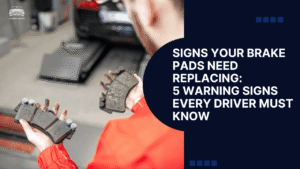
Wear Indicators: Most brake pads include metal tabs designed to contact rotors when pads reach minimum thickness. This intentional squeal warns that brake pads need replacing. The sound typically occurs during light braking initially.
Glazed Pads: Overheated brake pads develop hardened, shiny surfaces that squeal against rotors. This may occur after aggressive braking or riding brakes down hills.
Dust and Debris: Brake dust accumulation or debris between pad and rotor creates squealing. Often worse after the vehicle sits overnight and improves after several brake applications.
Cheap Brake Pads: Low-quality brake pads may squeal throughout their service life due to inferior friction material composition.
Urgency Level: Wear indicator squealing requires prompt attention—typically within one to two weeks. Other squealing causes are less urgent but warrant investigation if persistent.
Grinding When Braking
Grinding sounds indicate serious brake problems requiring immediate attention.
Possible Causes:
Metal-on-Metal Contact: Brake pads worn completely through allow metal backing plates to grind against rotors. This causes rapid rotor damage and compromises braking effectiveness.
Rust After Sitting: Vehicles parked for extended periods develop surface rust on rotors. Initial grinding when first driving typically clears within a few brake applications.
Foreign Object: Stones or debris caught between pad and rotor create grinding sounds. Usually clears quickly or requires removal.
Urgency Level: Grinding from worn pads requires immediate attention. Continuing to drive causes expensive rotor damage and safety risks. Brake inspection should occur within days, not weeks.
Scraping or Rubbing
Constant scraping sounds from wheel areas may or may not be brake-related.
Possible Causes:
Backing Plate Contact: Bent brake backing plates contact rotors continuously. Often occurs after brake work or hitting debris.
Worn Brake Hardware: Clips, shims, and hardware degradation causes components to contact rotors.
Wheel Bearing Issues: Failing wheel bearings create scraping or grinding sounds that change with speed.
Urgency Level: Investigate scraping sounds promptly. While some causes are minor, others indicate safety issues requiring immediate attention.
Engine Noises
Engine sounds vary widely in cause and severity.
Knocking or Pinging
Knocking sounds from the engine indicate combustion or mechanical problems.
Possible Causes:
Detonation/Pre-ignition: Fuel igniting at wrong timing creates knocking sounds, particularly under load. Often caused by low octane fuel, carbon buildup, or ignition timing issues.
Rod Knock: Worn connecting rod bearings create rhythmic knocking that increases with engine speed. This indicates serious internal engine wear.
Piston Slap: Worn pistons or cylinders create knocking during cold starts that may diminish when warm.
Urgency Level: Occasional light knocking under heavy load may simply require higher octane fuel. Persistent or heavy knocking requires immediate diagnosis. Rod knock indicates potential engine failure—cease driving and arrange inspection.
Ticking or Clicking
Rhythmic ticking from the engine has various causes.
Possible Causes:
Valve Train Noise: Hydraulic lifters, rocker arms, or valve adjustments create ticking. May indicate low oil or worn components.
Exhaust Leak: Small exhaust manifold leaks create ticking sounds, often more noticeable when cold.
Low Oil Level: Insufficient oil causes valve train components to tick. Check oil level immediately if ticking develops suddenly.
Fuel Injectors: Direct injection engines produce normal ticking from injector operation. This is often more noticeable in quiet environments.
Urgency Level: Check oil level first—this is the simplest cause to address. Persistent ticking warrants investigation but rarely indicates imminent failure. Have it checked during regular servicing.
Hissing
Hissing sounds suggest air or fluid escaping from pressurised systems.
Possible Causes:
Vacuum Leak: Cracked or disconnected vacuum hoses create hissing. May affect idle quality and trigger check engine light.
Coolant Leak: Pressurised cooling system leaks create hissing, particularly when hot. May accompany overheating.
Exhaust Leak: Pre-catalytic converter exhaust leaks can create hissing sounds.
Urgency Level: Hissing combined with overheating requires immediate attention. Other hissing sounds warrant prompt diagnosis but may allow continued driving with monitoring.
Rattling
Loose components or failing parts create various rattling sounds.
Possible Causes:
Heat Shields: Exhaust heat shields loosening creates metallic rattling, often worse at certain RPM ranges.
Catalytic Converter: Internal catalyst breakdown creates rattling from inside the converter.
Timing Chain: Worn timing chain or tensioner creates rattling, particularly at startup.
Loose Components: Various engine covers, brackets, or accessories may rattle when mounting hardware loosens.
Urgency Level: Heat shield rattles are annoying but not urgent. Catalytic converter or timing chain issues require prompt diagnosis. Timing chain failure risks severe engine damage.
Transmission and Drivetrain Noises
Sounds from transmission and drivetrain components often indicate developing problems.
Whining from Transmission
Whining sounds during driving often originate from transmission or differential.
Possible Causes:
Low Transmission Fluid: Insufficient fluid causes pump cavitation and whining. Check fluid level if accessible.
Worn Bearings: Transmission bearing wear creates whining that may change with speed or gear selection.
Differential Wear: Rear differential or front differential wear creates whining, often more noticeable at specific speeds.
Power Steering Pump: Whining that increases with steering input indicates power steering issues rather than transmission.
Urgency Level: Check fluid levels first. Persistent whining indicates wear requiring professional diagnosis. Early attention may prevent expensive transmission or differential failure.
Grinding When Shifting (Manual Transmission)
Grinding during gear changes indicates synchroniser problems.
Possible Causes:
Worn Synchronisers: Synchronisers match shaft speeds during shifts. Wear prevents smooth engagement, creating grinding.
Clutch Problems: Incomplete clutch disengagement prevents proper synchroniser function. May indicate clutch wear or hydraulic issues.
Low Transmission Fluid: Inadequate lubrication accelerates synchroniser wear and worsens grinding.
Urgency Level: Grinding indicates significant wear already present. Continued grinding accelerates damage. Transmission service should be scheduled promptly, though complete failure is usually not imminent.
Clunking During Gear Changes
Heavy clunking sounds during transmission engagement suggest drivetrain problems.
Possible Causes:
Worn CV Joints: Constant velocity joints wear creates clunking, particularly during acceleration from rest.
Worn U-Joints: Universal joint wear in rear-wheel-drive vehicles creates clunking during gear changes.
Motor Mounts: Worn engine or transmission mounts allow excessive movement, creating clunking.
Differential Wear: Worn differential components create clunking during engagement.
Urgency Level: Investigate clunking sounds promptly. CV joint or U-joint failure can cause sudden loss of drive. Mount wear, while less urgent, worsens over time.
Humming or Droning
Constant humming that changes with speed often indicates bearing or tyre problems.
Possible Causes:
Wheel Bearings: Failing wheel bearings create humming that changes with speed and may vary when turning.
Tyre Noise: Uneven tyre wear, aggressive tread patterns, or tyres needing replacement create road noise.
Differential Bearings: Differential bearing wear creates humming similar to wheel bearings.
Urgency Level: Wheel bearing humming worsens progressively. While not immediately dangerous, eventual bearing failure creates safety hazards. Schedule inspection when humming becomes noticeable.
Suspension and Steering Noises
Sounds from suspension and steering components affect ride quality and safety.
Clunking Over Bumps
Impact sounds when driving over bumps or rough roads indicate suspension wear.
Possible Causes:
Worn Shock Absorbers: Failed shocks create clunking from excessive suspension travel.
Ball Joint Wear: Worn ball joints clunk when loaded or unloaded during bumps.
Sway Bar Links: Worn sway bar end links create clunking during suspension movement.
Strut Mount Wear: Worn strut mounts clunk during compression and rebound.
Control Arm Bushings: Deteriorated bushings allow excessive movement creating clunks.
Urgency Level: Suspension clunks indicate wear affecting handling and tyre wear. While not typically immediately dangerous, worn components should be replaced. Ball joint failure can cause loss of steering control—have severe clunking inspected promptly.
Squeaking Over Bumps
Squeaking sounds during suspension travel indicate lubrication issues or worn components.
Possible Causes:
Dry Bushings: Rubber bushings may squeak when dry or deteriorated.
Ball Joint Wear: Worn ball joints squeak during articulation.
Spring Contact: Springs contacting perches or insulators may squeak.
Urgency Level: Squeaking is often more annoying than dangerous. However, ball joint squeaking warrants inspection as it indicates wear affecting safety.
Creaking When Turning
Sounds during steering input suggest steering or suspension problems.
Possible Causes:
Worn Tie Rod Ends: Tie rod wear creates creaking during steering movement.
Ball Joint Wear: Upper or lower ball joints creak during steering articulation.
Strut Bearing Wear: Strut top bearings creak when rotating during steering.
Dry Steering Components: Lack of lubrication in steering linkage creates creaking.
Urgency Level: Steering-related creaking should be investigated promptly. Tie rod or ball joint failure affects steering control. Wheel alignment inspections often identify worn steering components.
Power Steering Whine
Whining that increases with steering effort indicates power steering problems.
Possible Causes:
Low Fluid Level: Insufficient power steering fluid causes pump cavitation and whining.
Worn Pump: Power steering pump wear creates whining that worsens over time.
Air in System: Air in power steering lines creates groaning or whining, particularly when cold.
Urgency Level: Check fluid level first—this is easily addressed. Persistent whining indicates pump wear that will eventually cause failure. Pump failure makes steering heavy but still functional. Plan replacement before complete failure.
Belt and Accessory Noises
Drive belt problems create distinctive sounds.
Squealing on Startup
Brief squealing when starting the engine suggests belt issues.
Possible Causes:
Worn Belt: Glazed or worn belts slip on pulleys, creating squealing.
Loose Belt: Inadequate tension causes slippage and squealing.
Worn Tensioner: Automatic tensioners lose tension over time, causing belt slip.
Moisture: Wet conditions cause temporary belt slip that clears quickly.
Urgency Level: Occasional damp-weather squealing is normal. Persistent squealing indicates belt replacement or tensioner service needed. Belt failure disables multiple systems—address before complete failure.
Continuous Squealing
Squealing throughout operation indicates more significant belt problems.
Possible Causes:
Severely Worn Belt: Belts worn beyond service limits squeal continuously.
Misaligned Pulleys: Pulley misalignment causes belt tracking issues and squealing.
Failing Bearing: Accessory bearings (alternator, AC compressor, idler pulleys) create squealing when failing.
Urgency Level: Continuous squealing warrants prompt inspection. Identify the source before belt or bearing failure causes breakdown.
Chirping
Regular chirping sounds often indicate specific belt or pulley problems.
Possible Causes:
Belt Rib Wear: Worn ribs on serpentine belts create chirping at specific frequencies.
Pulley Damage: Damaged or contaminated pulley surfaces cause chirping.
Misalignment: Slight pulley misalignment creates rhythmic chirping.
Urgency Level: Chirping indicates developing problems. Less urgent than squealing but should be addressed to prevent progression to failure.
When to Stop Driving Immediately
Certain sounds indicate serious problems requiring immediate action.
Stop Driving For:
Grinding Brakes: Metal-on-metal brake grinding compromises stopping ability. Safety risk.
Loud Knocking Engine: Heavy engine knocking may precede catastrophic failure. Risk of engine destruction and potential loss of control.
Sudden Loud Exhaust: May indicate exhaust component separation. Fire risk if near fuel or brake lines.
Scraping Under Vehicle: Dragging components may catch on road surface. Damage risk and potential loss of control.
Grinding from Wheels: Severe wheel bearing failure creates safety hazard. Bearing seizure can lock wheels.
Monitor Closely But Can Continue:
Squealing Brakes: Wear indicator sounds allow short-term continued driving.
Mild Whining: Bearing or fluid issues may allow monitoring.
Intermittent Clunks: Suspension wear typically allows continued driving with prompt inspection.
Belt Squealing: Unless severe, belt issues allow driving to service appointment.
When uncertain about sound severity, err on the side of caution. Professional diagnosis identifies actual urgency.
Diagnosing Car Noises
Communicating effectively with your mechanic helps diagnosis.
Describe the Sound
Sound Type: Squeal, grind, knock, click, hum, rattle, clunk Rhythm: Constant, intermittent, rhythmic, random Pitch: High, low, changing
Describe When It Occurs
Speed Related: At specific speeds, increasing with speed, only at idle Operation Related: During braking, when turning, during acceleration, when shifting Temperature Related: When cold, after warming up, in hot weather Load Related: When carrying passengers, uphill, during towing
Record If Possible
Smartphone recordings help mechanics hear exactly what you’re experiencing. Record the sound during driving conditions that produce it.
Frequently Asked Questions About Car Noises
Why does my car squeal when I start it?
Startup squealing typically indicates drive belt issues. Worn, glazed, or loose belts slip on pulleys when the engine starts, creating squealing. Automatic tensioner wear reduces belt tension, worsening slippage. The sound often improves as the belt warms. Belt and tensioner inspection should occur soon to prevent failure causing loss of alternator, power steering, or air conditioning function.
Is it safe to drive with grinding brakes?
No, driving with grinding brakes is unsafe. Grinding indicates brake pads worn through to metal backing plates contacting rotors. This compromises braking effectiveness and causes rapid rotor damage. What starts as pad replacement becomes pad and rotor replacement with continued driving. Schedule brake inspection immediately when grinding occurs.
Why does my car make noise when turning?
Turning noises have various causes depending on the sound type. Clicking during turns often indicates worn CV joints, particularly in front-wheel-drive vehicles. Creaking suggests worn tie rod ends, ball joints, or strut bearings. Groaning indicates power steering problems. Whining that changes when turning may indicate power steering pump issues or wheel bearing wear on the loaded wheel.
What does a bad wheel bearing sound like?
Failing wheel bearings create humming, droning, or rumbling sounds that increase with speed. The sound often changes when turning—loading the affected bearing may increase noise, while unloading may decrease it. Severe bearing wear creates grinding sounds. Wheel bearing noise is constant at given speeds, unlike tyre noise which may be more rhythmic.
Why is my engine ticking?
Engine ticking has multiple potential causes. Low oil level causes valve train components to tick—check oil first. Normal injector operation creates ticking in direct injection engines. Exhaust manifold leaks tick, particularly when cold. Hydraulic lifter issues create ticking that may improve when warm. Persistent ticking warrants investigation during routine servicing.
Should I worry about rattling sounds?
Rattling severity depends on the source. Heat shield rattles are annoying but not dangerous. Exhaust system rattles may indicate failing mounts or components. Engine rattles may indicate timing chain issues—these require prompt attention. Interior rattles affect comfort but not safety. Identify the rattle source to determine appropriate urgency.
How much does it cost to diagnose car noises?
Noise diagnosis typically costs $80 to $150 for inspection time. Simple issues may be identified quickly; complex intermittent noises may require extended diagnosis. Many workshops credit diagnostic fees toward subsequent repairs. Accurate diagnosis prevents incorrect repairs, making professional assessment worthwhile for persistent or concerning sounds.
Professional Noise Diagnosis at Carrick Motors
Car noises range from minor annoyances to serious safety warnings. Squealing brakes, grinding sounds, engine knocking, and drivetrain whining all indicate specific problems with varying urgency. Understanding what different sounds mean helps you respond appropriately and communicate effectively with your mechanic.
Carrick Motors provides comprehensive noise diagnosis throughout Tullamarine, Airport West, Gladstone Park, and Melbourne’s northern suburbs. Experienced technicians systematically identify noise sources, explaining findings clearly and recommending appropriate repairs. From brake inspections to transmission diagnosis, professional assessment ensures accurate identification and proper repair. Contact Carrick Motors when your car makes unusual sounds. Early diagnosis prevents minor issues from becoming major repairs, keeping you safe and your vehicle reliable.