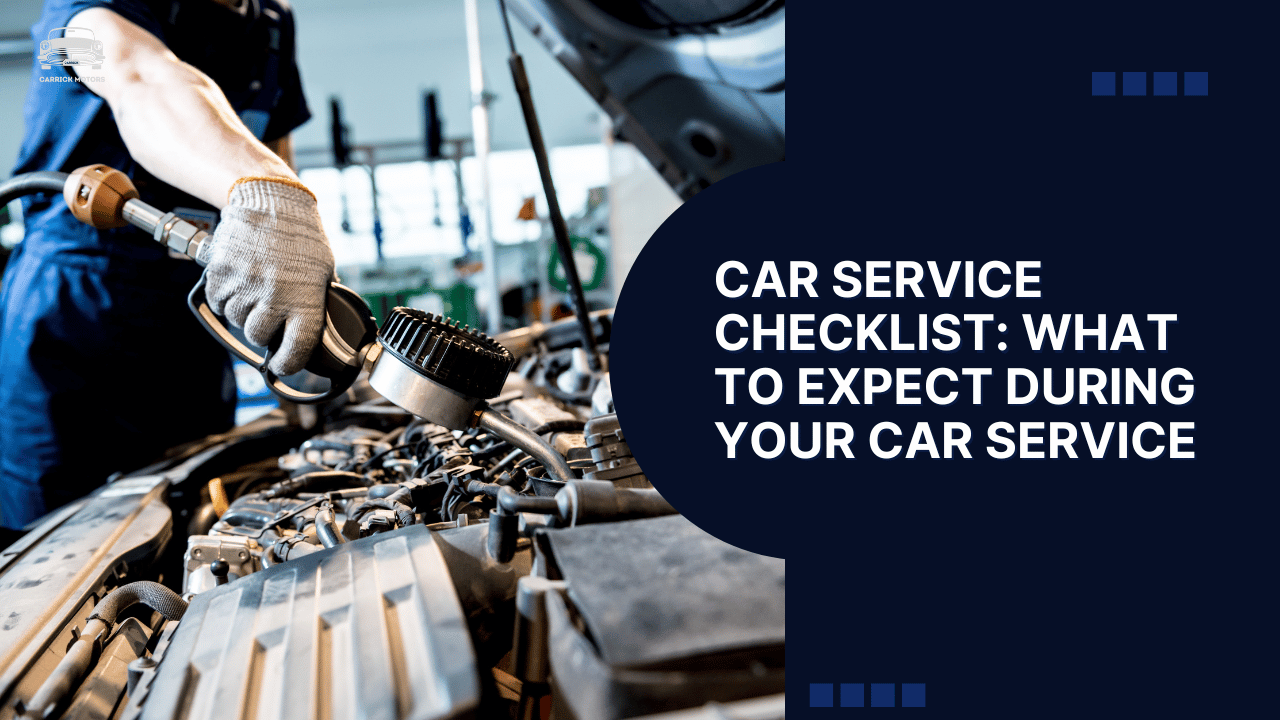
A standard car service includes engine oil and filter replacement, fluid level checks and top-ups, tyre pressure adjustment, brake inspection, suspension assessment, battery testing, and comprehensive safety checks covering lights, wipers, and belts. Major services add air filter replacement, spark plug inspection, brake fluid flush, and detailed component examinations.
Understanding what happens during car servicing helps you evaluate service quality, verify completed work, and communicate effectively with your mechanic. This comprehensive checklist details every inspection and service item, explaining why each matters for your vehicle’s reliability and safety. Whether visiting Carrick Motors in Tullamarine or another workshop, knowing what to expect ensures you receive appropriate value.
Minor Service Checklist
Minor services address fundamental maintenance needs, typically performed every 10,000 to 15,000 kilometres or annually. These services maintain basic engine protection and identify developing issues before they become expensive problems.
Engine Oil System
Oil Drainage and Replacement Technicians drain used oil completely, removing degraded lubricant containing combustion byproducts, metal particles, and depleted additives. Fresh oil matching manufacturer specifications restores full protection.
Oil grade selection matters significantly. Using incorrect viscosity or specification compromises protection regardless of change frequency. Quality workshops verify specifications before service, using oils meeting your vehicle’s requirements. Learn more about oil change intervals and importance in our detailed guide.
Oil Filter Replacement Every oil change includes filter replacement. Filters trap contaminants suspended in oil, gradually accumulating debris that restricts flow. New filters ensure unrestricted circulation and effective filtration throughout the service interval.
Filter quality affects protection levels. Premium filters use superior media capturing finer particles while maintaining flow. Budget filters may bypass contaminants or restrict flow prematurely.
Oil Level Verification After filling, technicians verify proper oil level using dipstick or electronic measurement. Correct level ensures adequate lubrication without overfilling that causes seal damage or crankcase pressure issues.
Fluid Inspections and Top-Ups
Engine Coolant Technicians check coolant level in the reservoir and radiator (when safe), verifying adequate quantity for proper cooling system function. Coolant condition assessment identifies contamination or degradation requiring system service.
Low coolant levels may indicate leaks requiring investigation. Contaminated coolant suggests potential head gasket issues or system corrosion needing attention.
Brake Fluid Brake fluid level inspection confirms adequate hydraulic fluid for braking system operation. Fluid condition assessment examines colour and contamination, identifying when brake fluid replacement becomes necessary.
Dark or contaminated brake fluid indicates moisture absorption reducing boiling point and promoting corrosion. Fluid replacement typically occurs every two years regardless of appearance.
Power Steering Fluid Vehicles with hydraulic power steering require fluid level verification. Low levels indicate leaks; contaminated fluid suggests pump or system wear.
Windscreen Washer Fluid Washer reservoir receives top-up ensuring adequate supply for visibility maintenance. Quality washer fluid includes cleaning agents and, in some formulations, rain-repellent additives.
Transmission Fluid Check Where accessible, technicians check transmission fluid level and condition. Automatic transmission fluid should appear red to light brown without burnt smell. Dark, contaminated, or burnt-smelling fluid indicates service need. Read our complete guide on transmission fluid change intervals.
Tyre Inspection and Service
Tyre Pressure Adjustment All tyres receive pressure adjustment to manufacturer specifications found on the door jamb placard. Correct pressure ensures proper handling, even wear, and optimal fuel economy.
Tread Depth Assessment Technicians measure tread depth at multiple points, identifying tyres approaching replacement thresholds. Measurements below 3mm warrant planning for replacement; below 1.6mm requires immediate attention. Our guide on signs your tyres need replacing explains warning indicators in detail.
Wear Pattern Evaluation Uneven wear patterns indicate alignment, suspension, or inflation problems requiring attention. Centre wear suggests overinflation; edge wear indicates underinflation; one-sided wear points to alignment issues.
Visual Damage Inspection Sidewalls receive inspection for cracking, bulging, or impact damage. Tread surfaces are examined for embedded objects, cuts, or abnormal wear. Damaged tyres require repair assessment or replacement.
Spare Tyre Check Spare tyre pressure and condition verification ensures readiness for emergencies. Many spare tyres slowly lose pressure over time, becoming unusable when needed.
Brake System Inspection
Brake Pad Assessment Technicians measure brake pad thickness at all wheels, comparing against minimum specifications and estimating remaining service life. Pads below 3-4mm warrant replacement planning. Understanding how long brake pads last helps anticipate replacement timing.
Rotor Condition Check Visual inspection identifies scoring, heat spots, or damage affecting rotor serviceability. Thickness measurement on worn rotors determines whether machining or replacement is required when pads are changed.
Brake Line Inspection Flexible brake hoses receive inspection for cracking, bulging, or deterioration. Rigid brake lines are examined for corrosion or damage. Compromised lines create safety hazards requiring immediate replacement.
Brake Function Test Road testing verifies proper brake operation including pedal feel, stopping effectiveness, and absence of pulling or vibration. Abnormal function indicates problems requiring further diagnosis.
Comprehensive brake inspection identifies when brake pad replacement becomes necessary, preventing the expensive rotor damage that occurs when worn pads are ignored.
Battery and Electrical
Battery Condition Testing Electronic testing measures battery capacity, cold cranking ability, and charging system function. Results indicate battery health and remaining service life expectancy.
Weak batteries may start vehicles normally but fail under stress or cold conditions. Testing identifies batteries requiring replacement before they strand you.
Terminal Inspection Battery terminals receive inspection for corrosion buildup affecting electrical connections. Corroded terminals cause starting problems and charging issues. Cleaning restores proper electrical contact.
Charging System Verification Alternator output measurement confirms proper charging voltage. Undercharging causes battery drain; overcharging damages batteries and electrical components.
Lights and Electrical Accessories
Exterior Lighting Check All exterior lights receive function verification including headlights (high and low beam), tail lights, brake lights, indicators, reverse lights, fog lights (if equipped), and number plate lights.
Failed lights create safety hazards and attract defect notices during police inspection. Globe replacement during service prevents these issues.
Interior Lighting Cabin lights, instrument illumination, and warning light function receive verification. Dashboard warning lights should illuminate during ignition-on self-test, then extinguish once the engine starts.
Wiper Operation Windscreen wipers receive operation testing across all speeds. Wiper blade condition assessment identifies streaking or ineffective clearing requiring blade replacement.
Under-Bonnet Inspection
Belt Condition Drive belts (serpentine belt, alternator belt, air conditioning belt) receive visual inspection for cracking, glazing, fraying, or wear. Worn belts risk failure causing loss of charging, power steering, or air conditioning function.
Hose Condition Coolant hoses and other under-bonnet hoses receive inspection for soft spots, cracking, swelling, or deterioration. Failed hoses cause coolant loss, overheating, and potential engine damage.
Fluid Leak Inspection Visual examination identifies active leaks from engine gaskets, seals, or components. Early leak detection enables repair before fluid loss causes damage.
Air Filter Visual Check Air filter receives visual inspection during minor services. Heavily contaminated filters warrant replacement; lightly soiled filters continue service until the next major interval.
Major Service Checklist
Major services occur at extended intervals (typically 30,000 to 60,000 kilometres), addressing components with longer service lives. Everything in minor services is included plus additional items.
Filter Replacements
Engine Air Filter Replacement Clogged air filters restrict engine airflow, reducing power and efficiency while potentially allowing contaminants past compromised filter media. Fresh filters ensure proper engine breathing and protection.
Air filter replacement frequency depends on driving conditions. Dusty environments require more frequent replacement than clean suburban driving.
Cabin Air Filter Replacement Cabin filters clean air entering the vehicle interior through the climate system. Clogged filters reduce airflow, strain blower motors, and allow allergens and contaminants into the cabin.
Cabin filter replacement improves interior air quality and climate system performance. Musty odours from air conditioning often indicate overdue cabin filter service.
Fuel Filter Service Some vehicles require periodic fuel filter replacement protecting fuel injectors from contamination. Many modern vehicles use lifetime filters integrated into fuel pumps.
Check your service schedule for fuel filter requirements specific to your vehicle.
Ignition System
Spark Plug Inspection or Replacement Spark plugs receive inspection for wear, deposits, and gap measurement. Worn plugs cause misfires, reduced efficiency, and increased emissions.
Standard copper plugs require replacement every 30,000 to 50,000 kilometres. Platinum and iridium plugs last 80,000 to 160,000 kilometres depending on specification.
Ignition Coil Inspection Ignition coils receive visual inspection and may undergo testing if symptoms suggest problems. Failed coils cause misfires triggering check engine light activation.
Brake System Service
Brake Fluid Replacement Major services typically include brake fluid flush, replacing old fluid with fresh fluid meeting manufacturer specifications. Brake fluid absorbs moisture over time, lowering boiling point and promoting internal corrosion.
Fresh brake fluid maintains proper boiling point for demanding braking situations and protects hydraulic components from corrosion damage.
Comprehensive Brake Measurement Detailed brake inspection measures pad thickness precisely, assesses rotor thickness against minimum specifications, and evaluates calliper function thoroughly.
Written reports document measurements, enabling tracking across services and supporting repair planning. Learn the warning signs that brake pads need replacing to recognise when service becomes urgent.
Cooling System
Coolant Condition Testing Coolant receives testing for freeze point protection level and pH balance indicating additive condition. Degraded coolant loses corrosion protection, allowing internal system damage.
Coolant System Inspection Radiator, hoses, water pump, and thermostat housing receive visual inspection for leaks, corrosion, or deterioration. Cooling system failures cause overheating risking serious engine damage.
Coolant Replacement (If Due) Some service schedules specify coolant replacement at major service intervals. Complete system flush removes old coolant, contaminants, and scale buildup, replacing with fresh coolant meeting specifications.
Transmission Service
Fluid Condition Assessment Transmission fluid receives detailed condition assessment examining colour, smell, and contamination level. Results guide recommendations for fluid service timing.
Transmission Service (If Due) Some intervals specify transmission fluid change addressing fluid degradation. Service methods include drain-and-fill or complete flush depending on vehicle requirements and service history.
Suspension and Steering
Shock Absorber Testing Shock absorber function receives evaluation through bounce testing and visual inspection for leaks. Worn shocks degrade handling, increase stopping distances, and accelerate tyre wear.
Bushing and Mount Inspection Control arm bushings, sway bar links, and suspension mounts receive inspection for wear, cracking, or deterioration. Worn bushings cause handling looseness and noise.
Ball Joint and Tie Rod Assessment Safety-critical steering components receive play testing identifying wear requiring replacement. Excessive play creates unpredictable handling and accelerates tyre wear. Wheel alignment services address steering geometry after component replacement.
Steering System Inspection Steering rack, pump (if hydraulic), and linkage components receive inspection for leaks, wear, or damage. Steering problems affect vehicle control and safety.
Drive Belt Service
Belt Replacement (If Due) Serpentine belts and timing belts (where applicable) receive replacement at manufacturer-specified intervals. Belt failure disables multiple systems; timing belt failure causes severe engine damage on interference engines.
Timing belt replacement intervals typically range from 80,000 to 160,000 kilometres depending on manufacturer specifications. Replacement includes associated components like tensioners and idlers.
Additional Inspection Items
Beyond scheduled service items, quality workshops include comprehensive safety and condition assessment.
Exhaust System
Leak Inspection Exhaust system receives inspection for leaks, particularly near the engine and beneath the cabin where carbon monoxide could enter. Leaking exhausts create health hazards and noise violations.
Mounting Security Exhaust hangers and mounting points receive inspection ensuring secure attachment. Loose exhausts create noise and risk damage from road contact.
Catalytic Converter Check Visual inspection identifies external damage. Rattling sounds suggest internal breakdown. Failed converters cause emissions failures and trigger warning lights.
Underbody Inspection
Structural Assessment Chassis rails, floor pans, and structural components receive inspection for rust, damage, or deterioration. Structural problems affect safety and roadworthy certificate eligibility.
Fuel and Brake Line Condition Lines running beneath the vehicle receive inspection for corrosion, damage, or wear. Compromised lines create fire or brake failure hazards.
CV Joints and Axles Drive axle boots receive inspection for tears allowing grease loss and contamination entry. CV joints receive assessment for clicking or binding indicating wear.
Interior Safety Items
Seatbelt Function Seatbelts receive operation testing verifying latching, release, and retractor function. Webbing receives inspection for fraying or damage.
Horn Operation Horn function verification confirms operation for emergency warning capability.
Instrument Warning Lights All dashboard warning lights should illuminate during ignition self-test. Lights remaining illuminated after starting indicate system faults requiring diagnosis.
Understanding Service Reports
Quality workshops provide detailed reports documenting inspection findings and completed work.
What Reports Should Include
Completed Service Items Itemised list of all performed maintenance including parts used, fluid quantities, and specifications.
Inspection Findings Documented condition of all inspected items with measurements where applicable. Brake pad thickness, tyre tread depth, and fluid conditions should appear specifically.
Recommendations Clear explanation of items requiring attention, categorised by urgency. Immediate safety concerns, soon-needed services, and future planning items should be distinguished.
Cost Estimates Pricing for recommended work enables informed decision-making and budget planning.
Using Reports Effectively
Track Trends Compare measurements across services to identify wear rates and plan replacements proactively.
Verify Work Completion Reports confirm all scheduled items received attention. Question missing items or incomplete documentation.
Support Warranty Claims Documented service history supports warranty claims demonstrating proper maintenance.
Prepare for Sales Comprehensive service records support higher resale values by demonstrating responsible ownership. Learn about pre-purchase inspection importance when buying used vehicles.
Questions to Ask Your Service Provider
Asking appropriate questions ensures you receive proper service and understand your vehicle’s condition.
Before Service
What does this service include specifically? Understand exactly which items will be addressed. Request itemised breakdown of included inspections and replacements.
What oil specification will you use? Confirm oil grade and certification match manufacturer requirements for your vehicle.
Will you contact me before performing additional work? Establish communication protocols for unexpected findings requiring unplanned expenditure.
How long will service take? Plan your schedule around realistic completion timeframes.
After Service
What did you find during inspection? Request explanation of all findings, not just items requiring immediate attention.
When will these items need attention? Understand timeframes and distances for recommended future work.
Can I see the old parts? Viewing replaced components confirms replacement necessity and actual completion.
When is my next service due? Confirm scheduling for both time and distance thresholds.
Frequently Asked Questions About Car Service Checklists
What is included in a basic car service?
A basic car service includes engine oil and filter replacement, fluid level checks and top-ups, tyre pressure adjustment and inspection, brake inspection, battery testing, and comprehensive safety checks covering lights, wipers, and belts. This service maintains fundamental engine protection and identifies developing issues. Basic services suit intervals between major services.
How do I know if my car service was done properly?
Verify service quality through documentation review, visual confirmation, and functional testing. Service reports should itemise completed work with specifications. Oil should appear clean on the dipstick. Service reminder lights should be reset. Requested inspection findings should be documented with measurements. Reputable workshops welcome questions and provide thorough explanations.
What is the difference between minor and major service?
Minor services address fundamental maintenance including oil change, filter inspection, fluid top-ups, and basic inspections occurring every 10,000 to 15,000 kilometres. Major services include everything in minor services plus air filter replacement, cabin filter replacement, spark plug service, brake fluid replacement, and comprehensive component inspections occurring every 30,000 to 60,000 kilometres.
Should I follow the dealer service schedule or can I customise?
Follow manufacturer service schedules for warranty compliance and optimal maintenance. Customisation should only shorten intervals for severe conditions, never extend them. Log book servicing at independent workshops maintains warranty validity while offering competitive pricing.
How long does a full car service take?
Minor services typically require one to two hours. Major services require two to four hours depending on vehicle complexity and included items. Services identifying additional repair needs may extend beyond initial estimates. Confirm expected duration when booking and plan accordingly.
Can I see what was done during my car service?
Yes, reputable workshops provide detailed documentation and willingly show completed work. Request itemised reports listing all services performed. Ask to see replaced parts confirming actual replacement. Quality workshops welcome transparency as it builds customer confidence and demonstrates value.
What should I do if something seems wrong after service?
Contact the service provider immediately describing symptoms observed. Reputable workshops investigate promptly and address any service-related issues at no additional charge. Document symptoms including when they occur and any warning lights. Return to the workshop for inspection rather than continuing to drive if symptoms suggest safety concerns.
Professional Car Servicing at Carrick Motors
Understanding car service checklists helps you appreciate maintenance value and verify quality workmanship. Minor services maintain basic protection through oil changes and inspections. Major services address longer-life components requiring periodic attention. Comprehensive documentation supports warranty claims and resale value.
Carrick Motors provides thorough car servicing throughout Tullamarine, Airport West, Gladstone Park, and Melbourne’s northern suburbs. Experienced technicians follow manufacturer specifications using quality parts and fluids. Detailed reports document all findings and recommendations, keeping you informed about your vehicle’s condition.Contact Carrick Motors to schedule your next service. Experience professional maintenance with transparent communication and comprehensive attention to every checklist item.