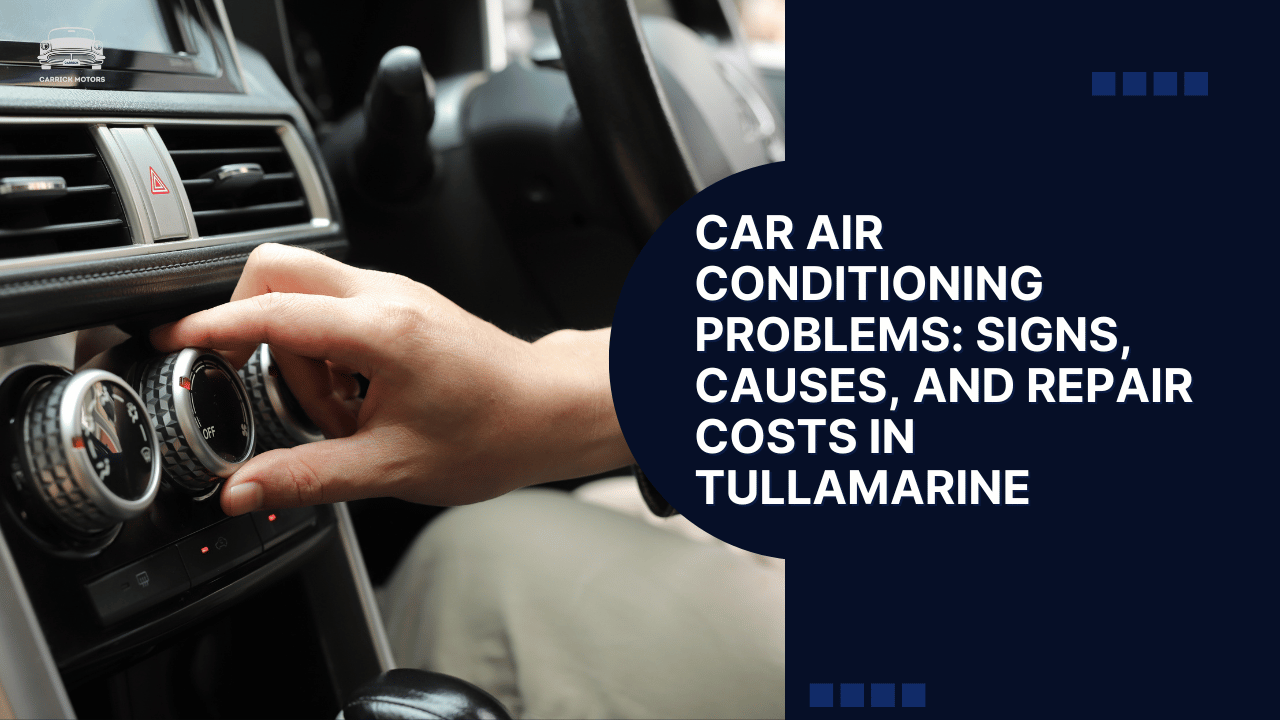
Car air conditioning repair in Tullamarine costs between $150 and $1,500 depending on the problem. AC regas costs $150-250, compressor replacement costs $600-1,200, and condenser replacement costs $400-900. Tullamarine’s hot summers make functional air conditioning essential for comfortable and safe driving.
Your car’s AC system removes heat and humidity from cabin air, keeping you comfortable and alert during driving. When the system fails, summer driving becomes unbearable and potentially dangerous due to heat-related fatigue. This guide explains AC system function, common problems, and repair costs for Tullamarine drivers.
How Car Air Conditioning Works
Understanding the system helps identify problems.
AC System Components
Compressor: The “heart” of the system. Compresses refrigerant gas, raising temperature and pressure. Driven by engine via belt.
Condenser: Located in front of radiator. Hot refrigerant releases heat to outside air. Refrigerant condenses to liquid.
Receiver/Drier or Accumulator: Stores refrigerant. Removes moisture from system. Contains desiccant material.
Expansion Valve or Orifice Tube: Restricts refrigerant flow. Creates pressure drop. Refrigerant becomes cold.
Evaporator: Located inside dashboard. Cold refrigerant absorbs cabin heat. Air blown across evaporator becomes cold.
Refrigerant Cycle
Compression: Compressor pressurises refrigerant gas. Temperature rises significantly.
Condensation: Hot gas flows through condenser. Heat released to outside air. Gas becomes liquid.
Expansion: Liquid passes through expansion device. Pressure drops dramatically. Refrigerant becomes very cold.
Evaporation: Cold refrigerant absorbs heat from cabin air. Returns to gas state. Cycle repeats.
Signs Your AC System Has Problems
Recognising symptoms enables timely repair.
AC Blowing Warm Air
What Happens: Air from vents is warm or not as cold as usual. System runs but doesn’t cool. May be gradual or sudden.
Causes: Low refrigerant from leak. Compressor not engaging. Blocked condenser. Electrical fault.
Urgency: AC not cooling on Tullamarine summer days creates uncomfortable, potentially unsafe conditions.
Weak Airflow
What You’ll Notice: Air comes out cold but with reduced force. Takes longer to cool cabin. Vents seem partially blocked.
Causes: Clogged cabin air filter (most common). Blower motor failing. Blocked evaporator. Duct obstruction.
Easy Fix: Start with cabin air filter replacement—often solves weak airflow quickly and cheaply.
Unusual Noises
Squealing When AC Turns On: Compressor clutch slipping. Belt tension issues. Compressor bearing wear.
Clicking Rapidly: Low refrigerant causing compressor to cycle. Electrical fault. Compressor clutch problem.
Grinding or Growling: Compressor internal failure. Bearing damage. Requires compressor replacement.
Bad Smell from Vents
Musty or Mouldy Smell: Bacteria/mould growth on evaporator. Common in humid conditions. Requires evaporator cleaning.
Chemical or Sweet Smell: Possible refrigerant leak. Heater core leak (sweet smell from coolant). Requires inspection.
Water Inside Vehicle
What You’ll See: Water pooling on passenger floor. Damp carpet under dashboard.
Cause: Blocked AC drain allowing condensation backup. Normal condensation cannot escape. Easy repair once diagnosed.
AC Cycles On and Off Rapidly
What Happens: Compressor engages briefly then disengages. Cooling is intermittent. May hear clicking.
Causes: Low refrigerant level. Pressure switch fault. Electrical problems.
Common AC Problems
Understanding specific issues helps with repair decisions.
Refrigerant Leak
Most Common Problem: AC systems lose refrigerant through leaks. Seals deteriorate over time. Connections can develop leaks.
Symptoms: Gradual cooling loss. System needs recharging repeatedly. Oil residue at leak points.
Leak Locations: Compressor shaft seal. Hose connections. Condenser damage. Evaporator (hidden, hard to detect).
Repair: Find and fix leak first. Then recharge system. Simply recharging without repair is temporary.
Cost: $200-800 depending on leak location
Compressor Failure
Causes: Normal wear. Running without refrigerant. Contaminated system.
Symptoms: No cooling. Noise from compressor area. Compressor clutch not engaging.
Repair: Compressor replacement. System flush if contaminated. Receiver/drier replacement.
Cost: $600-1,200
Condenser Damage
Causes: Stone damage from road debris. Corrosion over time. Accident damage.
Symptoms: Refrigerant leak from front of vehicle. Reduced cooling. Visible damage to condenser.
Repair: Condenser replacement. System recharge.
Cost: $400-900
Blocked Condenser
Causes: Debris accumulation between radiator and condenser. Bugs, leaves, dirt buildup.
Symptoms: Poor cooling at idle or low speeds. Better cooling at highway speeds. May also cause engine overheating.
Repair: Clean condenser carefully. Inspect for damage.
Cost: $50-150 for cleaning
Evaporator Problems
Causes: Internal corrosion. Leak development. Contamination.
Symptoms: Refrigerant leak (hard to locate). Musty smell. Reduced cooling.
Repair: Evaporator replacement. Labour-intensive as dashboard removal often required.
Cost: $600-1,500
AC Repair Costs in Tullamarine
Understanding costs helps budget appropriately.
Common Services
AC Regas Only: $150-250 Adds refrigerant. Includes leak check. Temporary if leak exists.
AC Regas with Dye: $180-280 Includes UV dye to find future leaks.
Cabin Air Filter: $50-120 Improves airflow. Should be replaced regularly.
Evaporator Cleaning: $150-300 Removes bacteria and mould. Eliminates musty smell.
Component Repairs
Compressor Replacement: $600-1,200 Includes new compressor, receiver/drier, and recharge.
Condenser Replacement: $400-900 Includes new condenser and recharge.
Evaporator Replacement: $600-1,500 Labour-intensive due to dashboard removal.
Hose Replacement: $200-500 Depends on which hose and accessibility.
Expansion Valve: $250-500
By Vehicle Type
Small/Medium Cars: Compressor: $600-900 Condenser: $400-700
SUVs and Large Cars: Compressor: $700-1,100 Condenser: $500-900
European Vehicles: Compressor: $800-1,500 Condenser: $600-1,200
AC System Maintenance
Proper care extends system life.
Regular Use
Run AC Regularly: Even in winter, run AC weekly for 10 minutes. Keeps seals lubricated. Prevents compressor issues.
Defrost Uses AC: Using defrost mode runs AC. Helps maintain system during cooler months.
Cabin Air Filter
Replace Regularly: Every 15,000-25,000 km or annually. Maintains airflow. Improves air quality.
Signs of Clogged Filter: Weak airflow. Musty smell. Fogged windows slow to clear.
Pre-Summer Check
Timing: Before Tullamarine’s hot season. Identify problems before you need AC most.
What’s Checked: Cooling performance. Refrigerant level. System operation.
Tullamarine Summer AC Tips
Maximise cooling effectiveness.
Parking Strategies
Shade When Possible: Reduces cabin heat buildup. Less work for AC system.
Sunshade Use: Windscreen sunshade reduces dashboard heat. Interior stays cooler.
Initial Cooling
Vent Hot Air First: Open windows briefly when starting. Let hottest air escape. Then close windows and run AC.
Recirculation Mode: Use recirculation once cabin begins cooling. Cools faster than drawing hot outside air.
Frequently Asked Questions About Car AC
Why is my car AC not blowing cold air?
Common causes include low refrigerant (from leak), compressor not engaging, blocked condenser, faulty expansion valve, or electrical problems. Low refrigerant is most common—systems naturally lose small amounts over time, but rapid loss indicates a leak. A proper diagnosis identifies the specific cause before repair.
How often should car AC be recharged?
A properly sealed system shouldn’t need regular recharging. If your AC needs refrigerant more than every 2-3 years, you have a leak that should be repaired. Simply recharging without fixing the leak wastes money and harms the environment. Recharging should include leak detection.
How much does AC regas cost?
AC regas costs $150-250 in Tullamarine, including refrigerant and basic leak check. Adding UV dye for future leak detection costs $180-280. Remember that regas only adds refrigerant—if there’s a leak, you’ll need regas again soon. Repair the leak for a lasting fix.
Why does my car AC smell bad?
Musty or mouldy smell indicates bacteria/mould growth on the evaporator, common in humid conditions or when AC isn’t used regularly. Evaporator cleaning ($150-300) eliminates the smell. Running AC on fresh air mode for the last few minutes of driving helps prevent moisture buildup that causes odour.
Can I fix my car AC myself?
DIY is limited for AC systems—refrigerant handling requires certification and proper equipment. You can replace cabin air filter, clean condenser exterior, and check for obvious damage. Any work involving refrigerant should be done by professionals with proper recovery equipment. Venting refrigerant to atmosphere is illegal.
Why does my AC only work when driving?
If AC cools at highway speed but not at idle, the condenser likely isn’t getting adequate airflow. Causes include blocked condenser (debris), faulty cooling fan, or fan relay problems. The condenser needs airflow to release heat—driving provides natural airflow, but stopped vehicles need fans.
Is it bad to run AC all the time?
No, running AC regularly is actually good for the system—it keeps seals lubricated and prevents compressor issues. AC does increase fuel consumption slightly. In moderate weather, you might choose fresh air, but don’t avoid AC to “save” it. Regular use maintains system health.
Professional AC Service at Carrick Motors
Air conditioning problems cause discomfort and safety concerns during Tullamarine’s hot summers. Repair costs range from $150 for regas to $1,500 for major component replacement. Regular maintenance and prompt attention to problems ensures reliable cooling. Carrick Motors provides comprehensive AC diagnosis and repair throughout Tullamarine, Airport West, Gladstone Park, and Tullamarine’s northern suburbs. From simple regas to complete system repair, experienced technicians restore comfortable driving conditions.