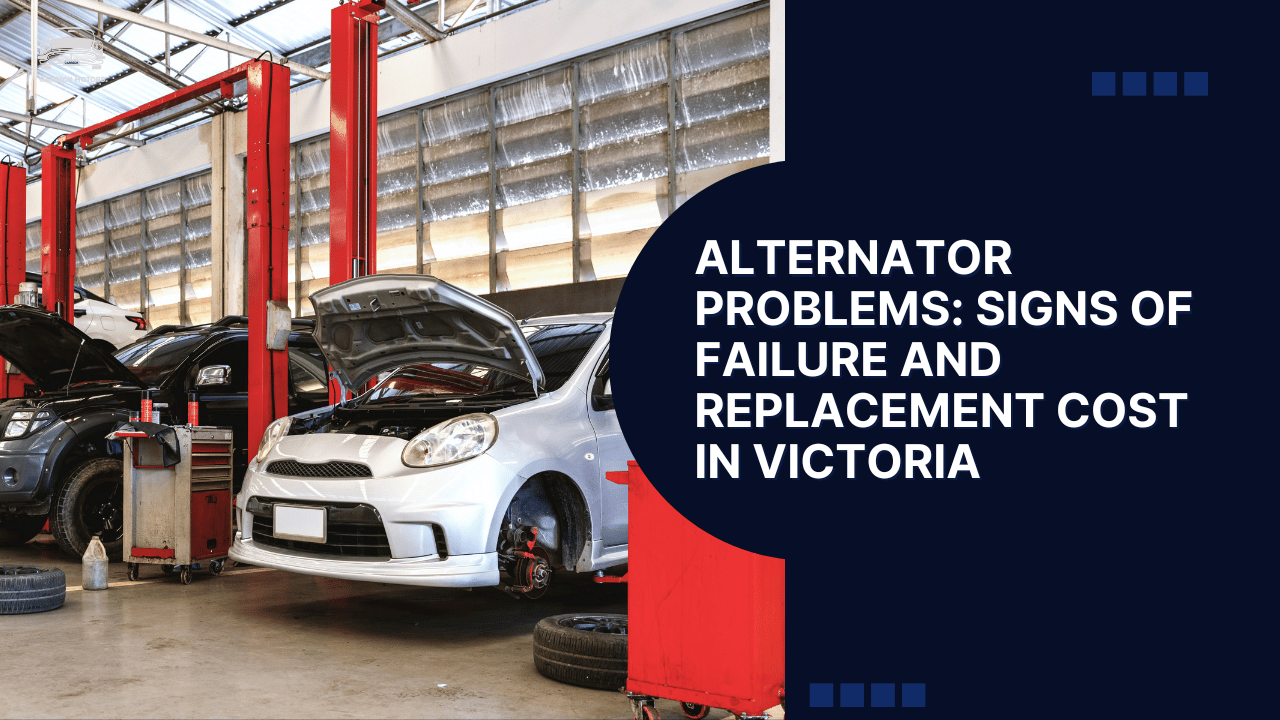
Alternator replacement in Tullamarine costs between $400 and $900 for most vehicles, with European and luxury vehicles reaching $700-1,400. Alternators typically last 150,000 to 250,000 kilometres, though premature failure can occur from belt problems, electrical faults, or manufacturing defects. A failing alternator causes battery drain, dimming lights, warning indicators, and eventually leaves you stranded.
Your alternator charges the battery and powers electrical systems while the engine runs. Without a functioning alternator, your vehicle operates solely on battery power—typically lasting only 20-30 minutes before complete electrical failure. This guide explains alternator function, warning signs, and replacement costs for Tullamarine drivers.
What Does the Alternator Do?
Understanding alternator function explains why failure is serious.
Electrical Generation
Power Production: The alternator converts mechanical energy from the engine into electrical energy. A belt connected to the crankshaft spins the alternator rotor, generating alternating current (AC) that’s converted to direct current (DC) for vehicle use.
Voltage Regulation: Built-in voltage regulators maintain consistent 13.5-14.5 volt output regardless of engine speed. This regulated voltage safely charges the battery and powers electrical systems without damaging sensitive electronics.
Continuous Supply: While driving, the alternator supplies all electrical needs—ignition, fuel injection, lights, climate control, and accessories—while simultaneously recharging the battery.
Battery Charging
Replenishing the Battery: Starting your engine depletes battery charge. The alternator replenishes this charge during driving. Short trips may not fully recharge batteries, while longer drives restore full charge.
Maintaining Battery Health: Proper charging extends battery life. Undercharging causes sulfation damage. Overcharging causes electrolyte loss. The alternator’s voltage regulator prevents both extremes.
Powering Vehicle Systems
Electrical Load: Modern vehicles have substantial electrical demands—engine management, lighting, climate control, infotainment, and safety systems. The alternator handles these loads continuously.
Load Management: When electrical demand exceeds alternator output (rare in normal driving), the battery supplements power. The alternator then recharges the battery when demand decreases.
Signs Your Alternator Is Failing
Recognising symptoms enables repair before complete failure.
Warning Light
Battery/Charging Light: Dashboard warning light shaped like a battery or showing “ALT” or “GEN” indicates charging system problems. This is often the first indication of alternator issues.
What It Means: The light illuminates when voltage drops below or rises above normal range. It may flicker initially before staying on continuously.
Don’t Ignore It: This warning indicates your vehicle is running on battery power alone. You have limited time before complete electrical failure. Seek diagnosis immediately.
Dimming or Flickering Lights
Headlights: Headlights dimming at idle and brightening when revving indicates alternator output problems. Inconsistent brightness suggests failing voltage regulation.
Interior Lights: Dashboard lights, dome lights, and display screens may dim or flicker. Brightness may vary with engine speed.
What It Indicates: Insufficient alternator output fails to meet electrical demand. The battery supplements power, causing voltage fluctuations visible as dimming.
Electrical System Problems
Slow or Malfunctioning Accessories: Power windows operating slowly. Infotainment system resetting or malfunctioning. Heated seats or climate control underperforming.
Erratic Behaviour: Dashboard gauges behaving erratically. Warning lights illuminating randomly. Electronic systems resetting unexpectedly.
Cause: Low voltage affects electronic system operation. Computers and modules require stable voltage for proper function.
Dead Battery
Repeated Battery Drain: Battery repeatedly going flat despite being relatively new. Needing jump starts frequently. Battery not holding charge.
The Connection: A failing alternator doesn’t properly charge the battery. The battery drains during normal use and isn’t replenished. Eventually, you can’t start the vehicle.
Diagnosis Importance: Dead batteries may indicate battery failure OR alternator failure. Testing both components identifies the actual cause. Replacing a battery when the alternator is faulty wastes money—the new battery will also fail.
Strange Noises
Whining or Grinding: High-pitched whining that increases with engine speed often indicates alternator bearing failure. Grinding sounds suggest severe bearing wear.
Belt Squeal: Squealing on startup or during electrical load may indicate loose alternator belt. However, belt problems can also damage alternators through inconsistent drive.
Clicking or Rattling: Internal alternator component failure may create clicking or rattling sounds.
Burning Smell
Electrical Burning: Overheated wiring or alternator components create distinctive electrical burning smell. Overworked alternators generate excess heat.
Belt Burning: Slipping alternator belt creates rubber burning smell. Belt slip prevents proper charging and damages the belt.
Urgency: Burning smells indicate potential fire hazard. Investigate immediately.
Engine Stalling
What Happens: Severe alternator failure may cause engine stalling. Modern engines require continuous electrical power for fuel injection and ignition.
Warning: If your engine stalls due to electrical failure, you’ll also lose power steering and brake assist. Safely pull over immediately.
What Causes Alternator Failure
Understanding causes helps prevent premature failure.
Normal Wear
Bearing Wear: Alternator bearings support rotor rotation at high speeds. Bearings wear from heat and friction over time, eventually failing.
Brush Wear: Carbon brushes contact slip rings to transfer current. Brushes wear down over thousands of hours of operation.
Diode Failure: Diodes convert AC to DC power. These electronic components can fail from heat cycling and age.
Belt Problems
Loose Belt: Loose drive belts slip, preventing proper alternator speed. This causes undercharging and accelerates belt wear.
Worn Belt: Worn belts lack grip, causing slip under load. Regular servicing includes belt inspection and replacement.
Belt Breakage: Broken belts stop alternator function immediately. Other components (power steering, water pump, AC) may also be affected.
Electrical Issues
Battery Problems: Faulty batteries that won’t hold charge force alternators to work continuously at maximum output, accelerating wear.
Electrical Shorts: Wiring problems or short circuits create excessive electrical demand, overworking alternators.
Poor Connections: Corroded or loose connections create resistance, causing heat and potential damage.
Environmental Factors
Heat Exposure: Engine bay heat accelerates component aging. Vehicles in hot climates may experience shorter alternator life.
Water Exposure: Water ingress from driving through floods or pressure washing damages alternator internals.
Contamination: Oil leaks dripping on alternators damage seals and contaminate internal components.
Alternator Testing and Diagnosis
Proper diagnosis prevents unnecessary replacement.
Voltage Testing
Running Voltage: With engine running, battery voltage should read 13.5-14.5 volts. Below 13 volts indicates charging problems. Above 15 volts indicates overcharging.
Load Testing: Voltage should remain stable when electrical loads (headlights, blower, rear demister) are activated. Significant drop indicates inadequate output.
Output Testing
Amperage Output: Professional testing measures alternator amperage output against specifications. Low output confirms alternator problems.
Ripple Testing: Oscilloscope testing detects diode failures not apparent in basic voltage tests.
Component Testing
Belt Inspection: Check belt condition and tension. Worn or loose belts cause charging problems without alternator failure.
Connection Testing: Verify clean, tight connections at alternator and battery. Resistance from poor connections mimics alternator problems.
Battery Testing: Confirm battery condition. Faulty batteries affect charging system testing and may cause alternator replacement when battery is the actual problem.
Professional diagnosis at Carrick Motors accurately identifies charging system problems before committing to expensive repairs.
Alternator Replacement Cost in Tullamarine
Understanding pricing helps budget appropriately.
Price by Vehicle Type
Small Cars (Toyota Yaris, Mazda 2, Hyundai Getz): Replacement cost: $400-650 Compact alternators with good accessibility.
Medium Cars (Toyota Corolla, Mazda 3, Hyundai i30): Replacement cost: $450-750 Common vehicles with readily available parts.
Large Cars (Toyota Camry, Mazda 6): Replacement cost: $500-850 Larger alternators, potentially more complex access.
SUVs (RAV4, CX-5, Tucson): Replacement cost: $500-900 Varies by engine configuration and accessibility.
European Vehicles (BMW, Audi, Mercedes, VW): Replacement cost: $700-1,400 Premium parts pricing. Often more complex installation.
Performance Vehicles: Replacement cost: $600-1,200 Higher-output alternators. Specialty applications.
What Affects Cost
Alternator Type: Standard replacement alternators cost less. OEM (Original Equipment Manufacturer) units cost more. High-output alternators for modified vehicles are premium-priced.
New vs Remanufactured: New alternators cost more but may offer longer warranty. Quality remanufactured units provide good value with appropriate warranty.
Accessibility: Some vehicles allow quick alternator access. Others require significant disassembly, increasing labour.
Additional Repairs: Drive belt replacement often recommended with alternator. Battery replacement if damaged from undercharging.
Cost Breakdown
Parts: Standard alternator: $200-500 Premium/OEM alternator: $350-800 European vehicle alternator: $450-900
Labour: Simple access: 1-2 hours ($100-200) Complex access: 2-4 hours ($200-400)
Related Items: Drive belt: $30-80 Battery (if needed): $150-400
Alternator Replacement Process
Understanding the process helps appreciate the service.
Diagnosis Confirmation
Verify the Problem: Confirm alternator failure through testing before replacement. Rule out belt, connection, or battery issues.
Identify Correct Part: Match replacement alternator to vehicle specifications. Verify amperage rating matches or exceeds original.
Removal
Disconnect Battery: Always disconnect battery before alternator work to prevent electrical damage or injury.
Remove Drive Belt: Release belt tensioner and remove drive belt from alternator pulley.
Disconnect Wiring: Remove electrical connections carefully, noting positions for reassembly.
Remove Alternator: Remove mounting bolts and extract alternator. Some vehicles require removing other components for access.
Installation
Position New Alternator: Install new alternator and secure mounting bolts to specification.
Reconnect Wiring: Attach electrical connections securely. Verify correct positioning.
Install Drive Belt: Route belt correctly around all pulleys. Verify proper tension.
Reconnect Battery: Reconnect battery terminals.
Verification
Voltage Testing: Verify proper charging voltage with engine running.
Load Testing: Confirm voltage stability under electrical load.
Warning Light: Verify charging system warning light extinguishes.
Preventing Alternator Problems
Proactive maintenance extends alternator life.
Belt Maintenance
Regular Inspection: Inspect drive belt condition during regular servicing. Look for cracks, glazing, or wear.
Proper Tension: Ensure correct belt tension. Loose belts slip; overtight belts stress bearings.
Timely Replacement: Replace belts showing wear before failure. Belt failure strands you and may damage other components.
Electrical System Care
Battery Maintenance: Maintain healthy battery condition. Faulty batteries stress alternators.
Clean Connections: Keep battery terminals and alternator connections clean and tight.
Avoid Overloading: Excessive aftermarket electrical accessories can overwork alternators. Ensure electrical system capacity matches demand.
Environmental Protection
Avoid Water: Don’t pressure wash directly at alternator. Avoid deep water driving that may submerge the alternator.
Address Leaks: Fix oil leaks that may drip on alternator. Contamination damages seals and internals.
Alternator vs Battery Problems
Distinguishing between these common issues saves money.
Symptoms Comparison
Alternator Failure Signs: Warning light while driving. Dimming lights that vary with engine speed. Multiple electrical systems affected. Problems occur while engine is running.
Battery Failure Signs: Slow cranking when starting. Problems mainly at startup. Single jump start gets you going for extended period. Battery age exceeds 3-4 years.
Testing Differences
Alternator Test: Voltage at battery with engine running should be 13.5-14.5V. Below 13V indicates alternator problem.
Battery Test: Voltage with engine off should be 12.4-12.7V. Load testing reveals capacity. Professional testing provides definitive answers.
Common Scenario
Battery Dies, But Which Failed? When jump starting gets you going but battery dies again: – If it dies while driving = alternator problem – If it starts fine for days then won’t start one morning = battery problem
Frequently Asked Questions About Alternator Problems
How do I know if it’s the alternator or battery?
The key difference is when problems occur. Alternator problems cause issues while driving—dimming lights, warning light illumination, and electrical malfunctions during operation. Battery problems primarily affect starting—slow cranking or failure to start, but normal operation once running. Voltage testing confirms: running voltage below 13V indicates alternator failure; resting voltage below 12V indicates battery problems.
Can I drive with a bad alternator?
Briefly, yes—but your vehicle runs solely on battery power, which typically lasts only 20-30 minutes depending on electrical load. Minimize electrical use (turn off AC, radio, unnecessary lights) to extend this time. Drive directly to a mechanic or safe location. Do not turn off the engine until you’ve reached your destination, as you may not be able to restart.
How long do alternators last?
Alternators typically last 150,000 to 250,000 kilometres or 7-12 years. Lifespan varies based on driving conditions, electrical load, belt maintenance, and environmental factors. Some fail prematurely due to manufacturing defects, water damage, or excessive electrical demand from aftermarket accessories.
What happens when an alternator fails completely?
Complete alternator failure means your vehicle runs entirely on battery power. Warning lights illuminate, electrical systems begin failing, lights dim progressively, and eventually the engine stalls when battery voltage drops too low to power ignition and fuel injection. You’ll lose power steering and brake assist, so safely stop as soon as possible.
Can a bad alternator damage the battery?
Yes, alternator problems can damage batteries. Undercharging causes sulfation, permanently reducing battery capacity. Overcharging (from faulty voltage regulator) causes electrolyte loss and plate damage. If your alternator failed and the battery was deeply discharged, have the battery tested—it may need replacement along with the alternator.
Why is my new battery going flat?
A new battery repeatedly going flat usually indicates alternator failure—the alternator isn’t recharging the battery during driving. Other possibilities include parasitic drain (electrical component staying on when vehicle is off) or short trips not allowing sufficient charging time. Professional diagnosis identifies the specific cause.
Is alternator replacement expensive?
Alternator replacement costs $400-900 for most vehicles, with European vehicles reaching $700-1,400. This includes parts and labour. The cost is significant but reasonable given the alternator’s importance. Attempting to drive on a failing alternator risks being stranded and may damage other electrical components including the battery.
Professional Alternator Service at Carrick Motors
Alternator problems cause warning lights, dimming lights, electrical malfunctions, and dead batteries. Replacement costs $400-900 for most vehicles, and proper diagnosis prevents unnecessary repairs. Distinguishing alternator failure from battery problems ensures you only replace what’s actually failed.
Carrick Motors provides comprehensive charging system diagnosis and alternator replacement throughout Tullamarine, Airport West, Gladstone Park, and Tullamarine’s northern suburbs. Professional testing confirms alternator condition before recommending replacement, and quality parts ensure reliable service.