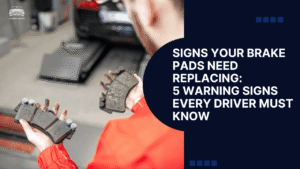
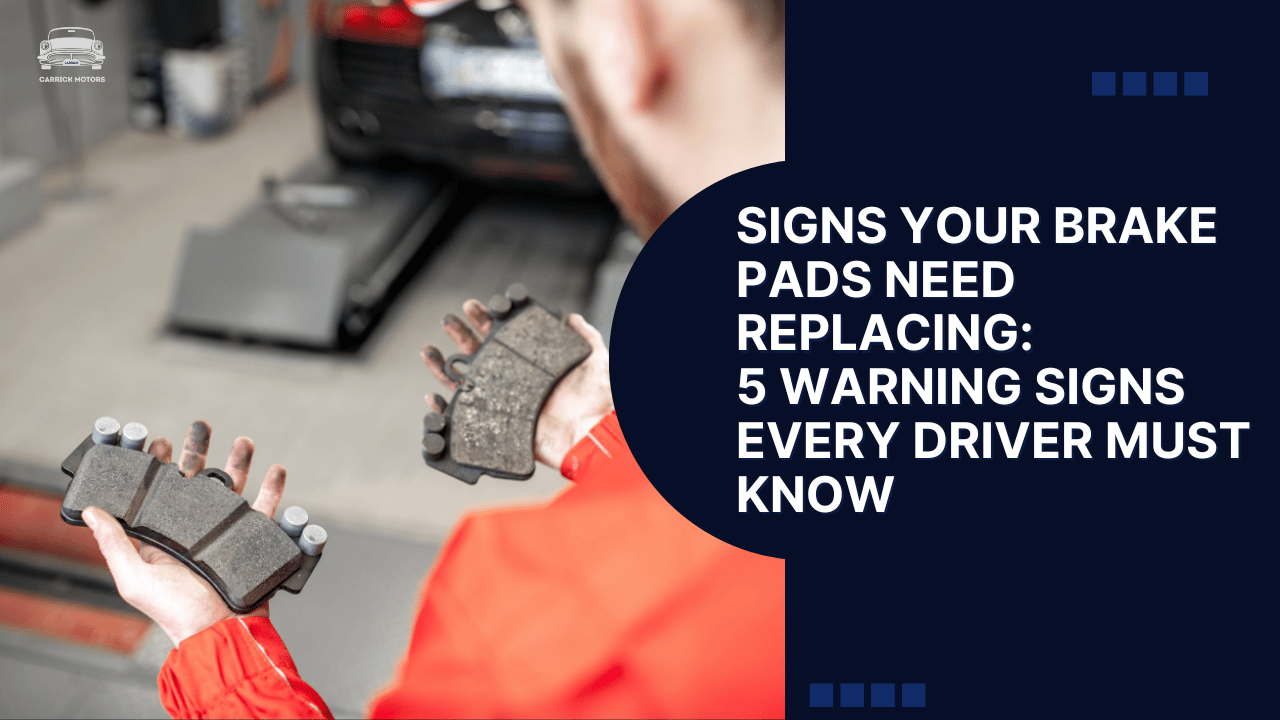
Brake pads require replacement when they reach 3mm thickness or less, produce squealing sounds, cause vibrations during braking, trigger dashboard warning lights, or extend stopping distances. Most vehicles need new brake pads every 40,000 to 70,000 kilometres, though this varies based on driving habits and conditions across Melbourne roads.
Your vehicle’s braking system serves as the primary safety mechanism between you and potential collisions. Recognising the warning signs of worn brake pads protects you, your passengers, and other road users. This guide details the five critical indicators that signal immediate attention at a professional brake service.
How Brake Pads Function in Your Vehicle
Brake pads consist of friction material bonded to a metal backing plate. When you press the brake pedal, hydraulic pressure forces the callipers to squeeze these pads against the brake rotors. This friction converts kinetic energy into heat, slowing your vehicle safely.
The friction material gradually wears away with each braking action. This wear rate depends on driving conditions, pad composition, and braking habits. Vehicles driven primarily in urban environments like Tullamarine and Melbourne’s northern suburbs experience faster pad wear due to frequent stop-and-start traffic patterns.
Modern brake pads use three primary compositions: ceramic compounds, semi-metallic materials, and organic formulations. Each type offers distinct performance characteristics and wear rates. Australian conditions, including dust, heat, and varied terrain, demand pads engineered for durability and consistent performance.
Warning Sign 1: Squealing or Squeaking Sounds When Braking
Audible squealing represents the most recognisable indicator of worn brake pads. Manufacturers install small metal indicators called wear sensors into brake pads specifically to produce this sound. When pad material wears to approximately 2-3mm, the sensor contacts the rotor surface, creating a high-pitched squeal.
This sound occurs deliberately. Engineers designed this warning system to alert drivers before pads wear completely through to the metal backing plate. The squealing typically starts intermittently and becomes more constant as wear progresses.
However, not all brake noise indicates replacement necessity. Morning moisture can cause temporary squealing that disappears after a few brake applications. Dust and debris accumulation between pads and rotors produces similar sounds. Glazed pad surfaces from overheating create squeaking without indicating dangerous wear levels.
Professional inspection determines whether squealing stems from wear indicator activation or other causes. A qualified technician at Carrick Motors measures actual pad thickness and examines rotor condition to provide accurate diagnosis.
Warning Sign 2: Grinding or Metal-on-Metal Sounds
Grinding sounds during braking indicate a more serious condition than squealing. This harsh, metallic noise occurs when brake pads have worn completely through the friction material, exposing the metal backing plate. The backing plate then contacts the rotor directly, creating metal-on-metal friction.
This condition requires immediate attention. Continued driving with metal-on-metal contact causes several expensive problems. Brake rotors sustain deep scoring and gouging that often necessitates replacement rather than resurfacing. Calliper components experience accelerated wear and potential damage. Braking efficiency decreases dramatically, extending stopping distances to dangerous levels.
The cost implications compound rapidly with delayed action. Replacing brake pads alone typically costs between $150 and $350 per axle. Adding rotor replacement increases this to $400 to $800 per axle. Further delays may require calliper rebuilds or replacements, pushing total repair costs above $1,200.
Grinding sounds warrant immediate inspection. Driving to a service centre poses less risk than continued regular use, though minimising speed and maintaining extended following distances reduces danger during the journey to professional brake repair services.
Warning Sign 3: Vibration or Pulsation Through the Brake Pedal
Brake pedal vibration or pulsation during braking indicates issues with the rotor surfaces. Warped, uneven, or glazed rotors cause the brake pads to contact surfaces of varying heights, transmitting this inconsistency through the hydraulic system to the brake pedal.
Several factors cause rotor warping. Excessive heat from prolonged heavy braking causes metal expansion and distortion. Sudden cooling, such as driving through puddles after heavy braking, creates thermal shock. Improper wheel lug nut torque applies uneven pressure, gradually warping rotor surfaces over time.
The vibration sensation varies in intensity based on warping severity. Mild warping produces subtle pulsations noticeable only during firm braking. Severe warping creates pronounced shaking that transmits through the steering wheel, particularly when front rotors suffer damage.
Rotor issues often develop alongside brake pad wear. As pads wear unevenly, they contribute to rotor surface irregularities. Professional inspection examines both components simultaneously. Technicians use precision measuring tools to assess rotor thickness variation and determine whether resurfacing suffices or replacement proves necessary.
Addressing vibration promptly prevents cascading damage. Warped rotors accelerate pad wear, creating uneven surfaces that further damage rotors. This cycle continues until both components require replacement, significantly increasing repair costs compared to early intervention through regular car maintenance services.
Warning Sign 4: Dashboard Brake Warning Light Activation
Modern vehicles include electronic brake pad wear sensors that trigger dashboard warning lights. These sensors function differently from mechanical wear indicators that produce squealing sounds. Electronic sensors contain circuits embedded within the brake pad material. As the pad wears, the sensor wire eventually contacts the rotor, completing a circuit that illuminates the dashboard warning light.
Dashboard brake warning lights appear in different configurations depending on your vehicle manufacturer. Some vehicles display a specific “BRAKE PADS” message. Others illuminate a general brake system warning requiring further diagnosis to identify the specific cause.
Not all brake warning light activations indicate pad wear. The same warning may signal low brake fluid levels, engaged parking brakes, or issues with the anti-lock braking system. Sensor malfunctions occasionally trigger false warnings. Only proper diagnostic scanning determines the actual cause.
Electronic wear sensors represent single-use components. Once the sensor wire contacts the rotor, the circuit remains complete until replacement. New brake pads include integrated replacement sensors. Some vehicles use sensors on only one wheel per axle, monitoring the pad expected to wear fastest based on weight distribution and typical driving patterns.
Responding to warning light activation requires professional diagnosis. Technicians connect diagnostic equipment to read specific fault codes and identify whether the warning relates to pad wear, fluid levels, or other brake system components requiring attention.
Warning Sign 5: Extended Stopping Distance or Spongy Pedal Feel
Noticeably longer stopping distances indicate compromised braking performance. Multiple factors contribute to this condition, with worn brake pads representing a primary cause. As friction material thins, the reduced contact surface area decreases stopping power. Drivers unconsciously compensate by pressing the brake pedal earlier or harder, masking the degradation until it reaches dangerous levels.
Spongy or soft brake pedal feel accompanies many brake system issues. Worn pads allow callipers to extend further, potentially introducing air into hydraulic lines. Low brake fluid from pad-related consumption creates similar sensations. Moisture contamination in brake fluid reduces boiling point, causing pedal softness during extended braking.
Testing stopping distance requires controlled conditions. Choose a straight, empty road with good visibility. From 40km/h, apply firm braking and note the distance required to stop completely. Compare this to your vehicle’s typical performance. Increases of more than 20% indicate significant system degradation.
Combining multiple warning signs amplifies concern. Extended stopping distance accompanied by squealing suggests advanced wear. Spongy feel with dashboard warning activation indicates potential hydraulic issues beyond simple pad replacement. These combinations require comprehensive inspection of the entire braking system, including wheel alignment and balancing services that affect brake component wear patterns.
Factors Affecting Brake Pad Lifespan in Australian Conditions
Melbourne’s varied terrain and traffic patterns significantly influence brake pad wear rates. Stop-start traffic through Tullamarine, Airport West, and surrounding suburbs places heavy demands on braking systems. Frequent braking in congested conditions generates more heat and friction than highway driving with minimal braking.
Climate conditions affect brake component longevity. Australian summer temperatures exceed 35°C regularly, increasing thermal stress on brake materials. Dust and particulate matter from construction zones and unsealed roads contaminate brake systems, accelerating wear. Coastal areas introduce salt and moisture that promote corrosion.
Driving style impacts pad lifespan dramatically. Aggressive braking from high speeds generates excessive heat, accelerating friction material degradation. Late braking at intersections and stop signs compounds this effect. Smooth, anticipatory braking extends pad life significantly while reducing fuel consumption and tyre wear.
Vehicle specifications determine baseline wear expectations. Heavier vehicles like SUVs and utes require more braking force, consuming pads faster than lighter sedans. Performance-oriented vehicles with larger brake systems may use softer compound pads that prioritise stopping power over longevity.
Quality of replacement pads influences subsequent service intervals. Premium ceramic pads typically outlast budget semi-metallic alternatives by 20-40%. Original equipment manufacturer pads balance cost and performance for most driving conditions. Your technician recommends appropriate options based on your driving patterns and budget considerations.
Professional Brake Inspection Process
Qualified technicians follow systematic inspection procedures to assess brake system condition accurately. Visual examination identifies obvious wear indicators, damage, and contamination. Measurement tools quantify exact pad thickness, rotor condition, and component specifications.
The inspection process includes removal of wheels to access brake components directly. Technicians examine pad surfaces for even wear patterns, glazing, and contamination. Rotor faces receive inspection for scoring, heat spots, and thickness variation. Callipers undergo assessment for leaks, corrosion, and slide pin condition.
Hydraulic system evaluation complements mechanical inspection. Brake fluid testing reveals moisture contamination levels and overall fluid condition. Line inspection identifies damage, corrosion, or wear. Master cylinder and brake booster function receives verification.
Comprehensive inspection reports detail findings with measurements and recommendations. Clear explanations help vehicle owners understand current conditions and prioritise necessary repairs. Honest assessments distinguish between immediate safety concerns and components approaching service intervals.
Carrick Motors in Tullamarine provides thorough brake inspections using advanced diagnostic equipment. Experienced technicians explain findings clearly, ensuring customers make informed decisions about their vehicle’s safety and maintenance needs.
Brake Pad Replacement Cost Considerations
Brake pad replacement costs vary based on several factors. Vehicle make and model determines pad specifications and pricing. Luxury and performance vehicles typically require premium pads at higher price points. Common passenger vehicles use standardised pads with competitive pricing.
Labour costs depend on brake system complexity and accessibility. Some vehicles require additional steps for pad replacement, increasing service time. Others feature straightforward designs that allow efficient service completion. Average labour time ranges from 30 minutes to two hours per axle.
Total replacement costs typically fall within these ranges for standard passenger vehicles: front axle pad replacement costs $150 to $350, rear axle pad replacement costs $120 to $300, and combined front and rear pad replacement costs $250 to $600. These estimates include parts, labour, and inspection but exclude rotor work if required.
Additional services often accompany pad replacement. Rotor resurfacing adds $50 to $100 per axle when surfaces require reconditioning. Rotor replacement adds $100 to $250 per axle. Brake fluid flush adds $80 to $150. Calliper service adds $100 to $300 per calliper if required.
Requesting detailed quotes before authorising work ensures transparency. Reputable service centres provide itemised estimates distinguishing between necessary repairs and recommended services. Comparing quotes from multiple providers helps identify fair pricing while ensuring quality workmanship.
Maintaining Brake System Health Between Services
Proactive maintenance extends brake system component life and reduces long-term ownership costs. Simple habits preserve brake pads, rotors, and hydraulic components between scheduled services.
Anticipatory driving reduces brake wear significantly. Observing traffic flow and timing approaches to intersections minimises heavy braking. Maintaining safe following distances allows gradual deceleration rather than sudden stops. Coasting to reduce speed before applying brakes decreases heat generation and friction material consumption.
Avoiding unnecessary loads reduces brake system demands. Heavy cargo increases vehicle mass, requiring greater braking force. Removing unnecessary items from boot space and cabin reduces weight and decreases brake component stress.
Regular visual checks identify developing issues before they escalate. Monthly wheel inspection through open spoke designs reveals visible pad thickness and rotor condition. Listening for new sounds during braking alerts drivers to changes requiring professional assessment.
Following manufacturer service schedules ensures timely inspection. Most manufacturers recommend brake inspection every 10,000 to 15,000 kilometres or annually. Adhering to these intervals catches wear progression before it creates safety concerns or causes secondary damage.
Brake fluid replacement maintains hydraulic system integrity. Most manufacturers recommend fluid replacement every two years regardless of mileage. Moisture absorption degrades fluid performance over time, reducing boiling point and promoting internal corrosion.
When to Seek Immediate Professional Attention
Certain conditions require immediate brake service regardless of scheduled maintenance timing. These warning signs indicate potential safety hazards that demand urgent professional assessment.
Complete brake failure, characterised by the pedal travelling to the floor without resistance, requires immediate action. Pull safely to the roadside using the handbrake gradually if necessary. Do not attempt to drive the vehicle. Arrange towing to a qualified service centre for emergency repair.
Brake fluid leaks visible as puddles beneath the vehicle require immediate attention. Brake fluid appears as light yellow to dark amber oily liquid. Leaks indicate hydraulic system compromise that will progressively worsen. Do not drive vehicles with visible brake fluid leaks.
Sudden onset of severe grinding without prior warning suggests component failure rather than gradual wear. Broken pad material, seized callipers, or separated friction material creates dangerous conditions. Professional inspection must occur before further operation.
Dashboard warning lights accompanied by any physical symptoms require priority attention. Combined indicators suggest system-wide issues rather than isolated wear. Diagnostic assessment identifies root causes and determines necessary repairs.
Pulling strongly to one side during braking indicates uneven brake force application. Stuck callipers, contaminated pads, or hydraulic restrictions cause this condition. Continued operation risks loss of vehicle control during emergency braking situations.
Contact Carrick Motors immediately if you experience any of these conditions. Professional technicians assess brake system integrity and restore safe operation efficiently.
Frequently Asked Questions About Brake Pad Replacement
Can I drive with worn brake pads if they are not making noise yet?
No, driving with brake pads below 3mm thickness poses significant safety risks regardless of noise presence. Not all vehicles include audible wear indicators, and some pad designs continue functioning quietly until metal-on-metal contact occurs. Visual inspection or professional measurement provides accurate assessment that noise alone cannot offer. Pad thickness below manufacturer specifications compromises stopping power and may cause rotor damage.
What is the difference between ceramic and semi-metallic brake pads?
Ceramic brake pads use dense ceramic compounds with copper fibres, producing less dust, quieter operation, and longer service life. Semi-metallic brake pads contain steel, copper, and graphite particles, offering superior heat dissipation and stronger initial bite. Ceramic pads suit typical daily driving in urban environments like Melbourne suburbs. Semi-metallic pads better serve demanding applications including towing, frequent heavy loads, or spirited driving styles.
Which brake pads wear faster on a vehicle: front or rear?
Front brake pads typically wear 2 to 3 times faster than rear pads on front-wheel-drive vehicles. Weight transfer during braking shifts mass forward, placing greater demands on front brakes. Front brakes handle 60% to 70% of total braking force on most passenger vehicles. Rear-wheel-drive and all-wheel-drive vehicles experience more balanced wear distribution but still consume front pads faster due to weight transfer physics.
How do mechanics measure brake pad thickness during inspection?
Professional technicians use calliper-style measuring tools or specialised brake pad gauges to assess remaining friction material thickness. Measurements occur at multiple points across the pad surface to identify uneven wear patterns. Many workshops use electronic thickness gauges for precise readings. Technicians compare measurements against manufacturer minimum specifications, typically 2mm to 3mm depending on vehicle make and model.
Should I replace brake rotors every time I replace brake pads?
No, rotors do not require replacement with every pad change. Rotors have minimum thickness specifications stamped on their surfaces or listed in manufacturer documentation. If rotors measure above minimum thickness and lack significant scoring, warping, or heat damage, they continue serving effectively with new pads. Technicians assess rotor condition during pad replacement and recommend machining or replacement only when necessary.
How often should brake fluid be replaced during regular maintenance?
Brake fluid requires replacement every 2 to 3 years regardless of driving distance. Brake fluid absorbs moisture from the atmosphere through microscopic pores in hoses and seals. This moisture contamination lowers fluid boiling point, potentially causing brake fade during heavy use. Moisture also promotes internal corrosion of brake system components. Regular fluid replacement maintains hydraulic system integrity and prevents expensive component failures.
What happens if I continue driving after the brake warning light activates?
Continuing to drive with an illuminated brake warning light risks several serious consequences. If the warning indicates worn pads, continued use causes rotor damage requiring expensive replacement. If the warning indicates low fluid levels, a leak may exist that will progressively worsen. If the warning indicates hydraulic system pressure loss, complete brake failure becomes possible. Professional diagnosis should occur within 24 hours of warning light activation to determine cause and prevent secondary damage.
Trust Carrick Motors for Expert Brake Services in Tullamarine
Your vehicle’s braking system directly determines your safety on Melbourne’s roads. Recognising warning signs and responding promptly prevents accidents, reduces repair costs, and extends component life. Five critical indicators demand attention: squealing sounds, grinding noises, pedal vibration, warning light activation, and extended stopping distances.
Carrick Motors provides comprehensive brake services for vehicles throughout Tullamarine, Airport West, Gladstone Park, and Melbourne’s northern suburbs. Experienced technicians use advanced diagnostic equipment to assess brake system condition accurately. Transparent communication ensures you understand findings and recommendations before authorising any work. Schedule your brake inspection today. Early detection of wear saves money and protects your safety. Contact the team at Carrick Motors to book your appointment and drive with confidence knowing your brakes perform as designed.