Car brake pads come in three main types: organic (also called non-asbestos organic or NAO), semi-metallic and ceramic. Each type trades off noise, dust, heat handling, bite and rotor wear in a different way. For most cars, the right choice is the type and specification the vehicle was designed for, matched to how you drive. If you are not sure which pads your car needs, Carrick Motors can look at your brakes for you.
If you have been told you need new brake pads, or you are comparing quotes, you have probably seen terms like “ceramic”, “semi-metallic” or “organic” on the invoice. This guide explains what each brake pad type is, how they differ, and how to choose the right one for your car and your driving.
What does a brake pad actually do?
A brake pad is a steel backing plate with a layer of friction material bonded to it. When you press the brake pedal, hydraulic pressure pushes the calliper, and the calliper squeezes the pads against the brake rotor (disc). The friction between pad and rotor turns the car’s movement into heat, and that slows the car down.
The friction material is what wears away over time, and it is also what separates one pad type from another. Its make-up decides how quietly the pad works, how much dust it leaves on your wheels, how it copes with heat and how gently it treats the rotors.
The main brake pad types
What are organic (NAO) brake pads?
Organic or non-asbestos organic pads use a softer friction material made from fibres, fillers and resins. They are usually quiet and gentle on rotors, and they give a soft, progressive pedal feel. The trade-off is that the softer material tends to wear faster and copes less well with repeated hard braking, heavy loads or high temperatures. Organic pads are common on lighter cars driven mostly in normal city and suburban traffic.
What are semi-metallic brake pads?
Semi-metallic pads mix metal fibres (such as steel) into the friction material. The metal helps the pad carry heat away and gives strong bite, which suits heavier vehicles, towing, carrying loads and harder driving. The downsides are that they can be noisier, they usually make more brake dust, and they can wear rotors faster than softer pads. Many utes, 4WDs and performance-oriented vehicles use this type.
What are ceramic brake pads?
Ceramic pads use a dense ceramic-based compound, often with fine fibres mixed in. They are known for quiet operation, low and light-coloured dust, and consistent behaviour across normal driving temperatures. They are often more expensive to buy than organic pads. Depending on the car and how it is driven, they may not be the best match for very heavy-duty work such as frequent towing.
What about “low-metallic” pads?
Some pads sit between organic and semi-metallic and are sold as low-metallic or low-metallic NAO. They use a mostly organic compound with a small amount of metal added for better heat transfer and bite. They can be a good middle ground, but they may make more dust and noise than a pure organic or ceramic pad.
Brake pad types compared
- Noise: organic and ceramic pads are usually the quietest; semi-metallic pads are usually the noisiest.
- Brake dust: ceramic pads usually make the least visible dust; semi-metallic pads usually make the most.
- Heat and heavy use: semi-metallic pads usually cope best with towing, loads and repeated hard stops.
- Rotor wear: organic and ceramic pads are generally gentler on rotors than semi-metallic pads.
- Pedal feel: organic pads tend to feel softer; semi-metallic pads tend to bite harder.
These are general tendencies. The exact compound varies from one brand and product to the next, so two “ceramic” pads may not behave the same way.
How do you choose the right brake pad type?
The best starting point is not a pad type at all but your car. Manufacturers design the brake system (callipers, rotors, sensors and pad specification) as a package, so the pad must be the correct fit and specification for your make and model. After that, think about how you drive:
- Mostly city and suburban commuting: a quiet, low-dust pad that suits your car’s original specification is usually the sensible choice.
- Towing, carrying heavy loads or a large 4WD: a pad designed for higher heat and heavier work may be the better match.
- Lots of stop-start traffic: brakes work harder in stop-start traffic than on a steady freeway run, so pad quality and correct fitment matter more.
- Noise or dust complaints: if a previous set squealed or covered your wheels in dust, tell your mechanic, because a different compound may suit you better.
It is also worth knowing that pads and rotors work as a pair. Fitting new pads to rotors that are scored, uneven or too thin can lead to noise, vibration and uneven pad wear. That is why rotors should be checked whenever pads are replaced.
Signs your brake pads need attention
Whatever type of pad your car has, these signs mean it is time for a brake check:
- Squealing or grinding when you brake
- Vibration through the brake pedal or steering wheel
- The car pulling to one side under braking
- A brake warning light on the dashboard
- A soft, spongy or less responsive brake pedal
- Less confidence when stopping in traffic
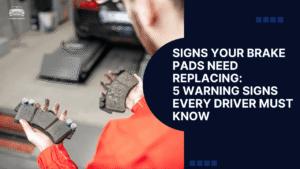
These symptoms can also point to other brake problems, so an inspection is the way to find out what is really going on. Our guide to the signs your brake pads need replacing goes into each warning sign in more detail.
Brake pad replacement at Carrick Motors
Choosing a pad type is easier when someone has looked at the brakes first. Carrick Motors does car mechanical repairs, and brakes are part of that. These are the steps from your first call:
- Call. Tell us what the brakes are doing: the noise, the feel or the warning light.
- Booking. We book your car in.
- Receiving. We receive your car.
- Work. We carry out the work.
- Finish. We finish the job.
- Customer update. We keep you updated.
We stand for reliable, professional work and genuine diagnostics. You can read more about the brake work we do on our brake pad replacement page.
You can bring your car to our workshop at 27 Carrick Drive, or ask about our mobile service, where we do car mechanical repairs at your doorstep. See our full list of services and the areas we serve.
Brake pad questions we are asked
Which brake pad type is best?
No single type is best for every car. The right pad is the correct-fit specification for your vehicle, matched to how you drive. A quiet, low-dust pad suits most everyday driving. A pad built for more heat may suit towing or heavier vehicles.
Can I switch from semi-metallic to ceramic pads?
Often, yes, provided a correct-fit ceramic pad is made for your vehicle and it suits your driving. If you tow or carry heavy loads, ask us about it first.
Do I need to replace the rotors when I change pad type?
Not always. It depends on the condition of the rotors. If they are scored, warped, too thin or heat-damaged, new pads alone may lead to noise, vibration or uneven wear. That is why the rotors are worth checking whenever pads are replaced.
Why are my new brake pads squealing?
Squealing is not always a sign that pads are worn. Dust, moisture, glazing or bedding-in issues can all cause it. It should still be checked early, because it can also mean the pads are low or touching the rotor.
Should front and rear pads be the same type?
Your car’s front and rear brakes are specified by the manufacturer and can differ. Front brakes often wear faster than rear brakes, but wear patterns vary by vehicle, so it is worth checking both.
How long do brake pads last?
Brake pad life depends on your driving style, traffic conditions, the vehicle and the pad material. Stop-start driving and heavy braking wear pads faster than steady highway driving.
Book a brake inspection
If you are not sure which brake pads your car has or needs, start with an inspection. Email Carrick Motors at info@carrickmotors.com.au to book. You can also send us a message through our contact page.